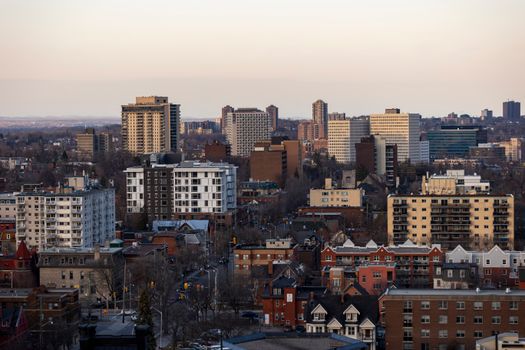
Ottawa homebuyers and developers are watching closely as the city and the Ontario government push to reduce development charges (DCs), fees levied on new construction to fund infrastructure like roads, transit, and parks. While the intention is to make housing more affordable, experts warn the policy shift comes with significant uncertainty.
What Are Development Charges?
Development charges are one-time fees that municipalities collect from builders when new homes or commercial properties are approved. In Ottawa, these fees can add tens of thousands of dollars to the cost of a new build. The idea is that growth should pay for growth, meaning new residents should help fund the roads, sewers, libraries, and recreation centres they'll use.
But critics have long argued that DCs are ultimately passed on to buyers in the form of higher purchase prices, making new homes less attainable in an already-strained market.
The Province Steps In
Queen's Park has been signalling for months that it wants to see development charges reduced across Ontario municipalities, framing it as a key lever in the province's push to build 1.5 million new homes by 2031. Ottawa, facing its own housing affordability crisis and a vacancy rate that remains stubbornly low, has been part of those conversations.
The province's position is that high DCs are a barrier to housing supply. If builders face lower upfront costs, the theory goes, more projects will pencil out financially, leading to more shovels in the ground and, eventually, more homes on the market.
Where the Uncertainty Lies
Not everyone is convinced the math is that simple. Municipal officials and urban planners have raised concerns about what happens to city finances if DC revenues drop. Those funds are earmarked for specific infrastructure projects, and cutting them doesn't make the infrastructure needs disappear.
"The devil is in the details," housing policy observers have noted. If the province reduces charges without backfilling the lost revenue, Ottawa could face tough choices: delay infrastructure projects, raise property taxes, or scale back services for new communities.
There's also skepticism about whether DC cuts will actually translate to lower home prices for buyers, or simply boost developer margins. Without price controls or strong monitoring mechanisms, the savings may not flow through to consumers at all.
What Comes Next for Ottawa
Ottawa city staff are expected to report back to council with scenarios modelling the financial impact of various DC reduction options. The city is also weighing how any provincial framework will interact with its own Official Plan targets for intensification and greenfield development.
For prospective buyers, the situation remains fluid. Those eyeing new builds in Ottawa's suburbs or infill projects closer to the core may not see any immediate relief at the price tag level, at least not until the policy details are locked in and developers adjust their pricing accordingly.
Housing advocates say the conversation is worth having, but caution against treating DC reductions as a silver bullet. Affordability, they argue, requires a broader toolkit, including purpose-built rental incentives, inclusionary zoning, and sustained investment in affordable housing stock.
Ottawa's housing market will be watching Queen's Park carefully in the months ahead.
Source: NewmarketToday.ca