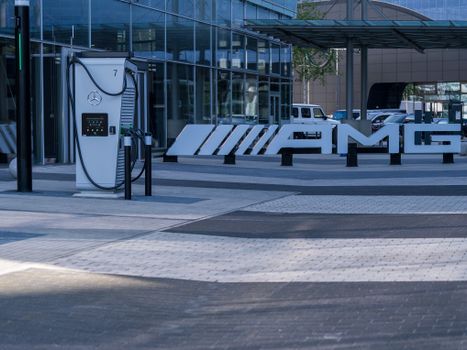
Ottawa electric vehicle drivers navigating the city's patchwork of public chargers, some fast, some slow, some perpetually occupied, some mysteriously out of service, will recognize immediately the tension at the heart of a new analysis of global EV charging infrastructure: building a network that actually makes EV ownership easy, rather than merely possible, requires a level of coordinated investment that democratic governments have proven reluctant to sustain.
A Guardian editorial this week examined how China has built the world's most extensive public EV charging network, drawing on a model of centrally directed investment that contrasts sharply with Britain's, and Canada's, fragmented, market-led approach. The analysis found that where the UK left charging infrastructure to commercial operators responding to market signals, gaps in rural areas, apartment buildings, and lower-income neighbourhoods went unfilled for years. China, meanwhile, treated EV charging as critical infrastructure on par with road-building and electrified rail.
Ottawa's Charging Reality
In Ottawa, the picture is improving but uneven. The downtown core and major commercial corridors, the Rideau Centre parkade, big-box retail parking lots in Barrhaven and Kanata, and a growing number of federal government facilities, have added Level 2 chargers in recent years. The Trans-Canada Highway corridor through eastern Ontario has seen new DC fast charger installations supported by the federal Zero Emission Vehicle Infrastructure Program.
But Ottawa's condo and apartment dwellers, who represent a large and growing share of the city's population, still face enormous barriers to overnight charging. Condo boards are notoriously slow to approve electrical infrastructure upgrades for EV chargers in underground parking garages, and the Ontario Building Code's requirements for EV charging readiness in new construction only apply prospectively, doing nothing for the hundreds of thousands of existing multi-unit residential buildings where most renters live.
The Policy Gap
Federal and provincial governments have committed billions to EV adoption incentives, purchase rebates, charging infrastructure grants, and fleet electrification programs, but the China comparison highlights a fundamental structural difference. China's EV ecosystem was designed from the top down with integration in mind. Canada's has been assembled piecemeal, with federal, provincial, and municipal programs often pulling in different directions or funding redundant infrastructure while leaving critical gaps.
Ottawa's own city-owned charging network, operated under the City's Transportation Services department, is modest. Advocates for accelerated EV adoption argue that the capital city of a country that has staked significant economic development on battery manufacturing should be leading by example, not trailing peer cities in Western Canada and Quebec.
Source: The Guardian