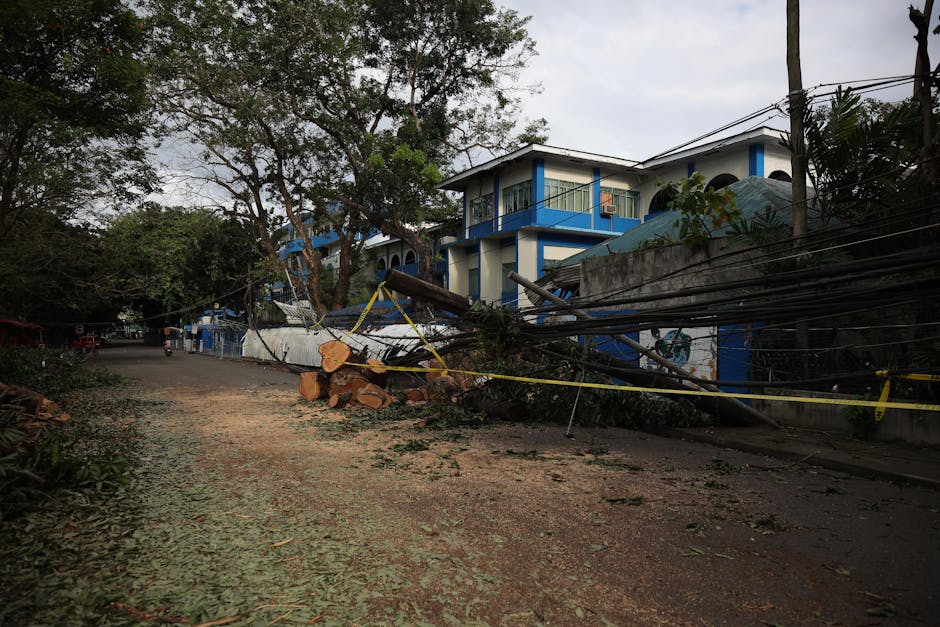
Ottawa is taking a more organized approach to the kind of wild weather that's become all too familiar around here. A city committee has approved a new $1-million fund aimed at helping community groups get ready for, and bounce back from, extreme weather events, from spring flooding to summer heat waves to the next big ice storm.
What the fund actually does
The money is designed to be available to eligible non-profit community groups across the city. To qualify, organizations need to demonstrate solid governance and accountability practices, and show that they already deliver real projects and services to Ottawa residents. In other words, this isn't seed money for brand-new ventures. It's support for the established neighbourhood organizations that residents already lean on when things go sideways.
That focus matters. When a storm knocks out power for days or a heat wave settles in, it's often local groups, community houses, resident associations, and grassroots non-profits. That end up checking on vulnerable neighbours, opening up warm or cool spaces, and getting information out fast. The fund is meant to give those groups more capacity to do that work.
Why Ottawa needs this now
If it feels like Ottawa has been hit by one extreme weather event after another, that's because it has. The 2018 tornadoes, the 2019 spring flooding along the Ottawa River, the 2022 derecho that tore through the region, and repeated stretches of dangerous summer heat have all tested how prepared the city and its residents really are.
Each of those events exposed the same lesson: the official emergency response matters, but so does what happens at the street level. Neighbours helping neighbours, community centres acting as gathering points, and trusted local organizations spreading accurate information can make a genuine difference in how a neighbourhood weathers a crisis.
A focus on the most vulnerable
Extreme weather doesn't hit everyone equally. Seniors living alone, low-income households, people with disabilities, and residents without air conditioning or backup power are often the hardest hit when the grid goes down or temperatures spike. By channelling funding through community groups that are already embedded in these neighbourhoods, the city is betting that local organizations are best positioned to reach the people who need help most.
The accountability requirements built into the fund are meant to make sure the dollars go to groups that can actually deliver, rather than spreading the money too thin.
What happens next
Committee approval is an important step, but it isn't the final word, funding decisions of this kind typically head to full city council for a final sign-off before the program rolls out and groups can apply. For Ottawa residents, the practical upshot is straightforward: the next time the weather turns extreme, the community organizations in your corner of the city may have a little more support behind them.
It's a modest amount of money in the context of a city budget, but it reflects a growing recognition at City Hall that resilience is built locally, one neighbourhood at a time.
Source: Ottawa Citizen.

