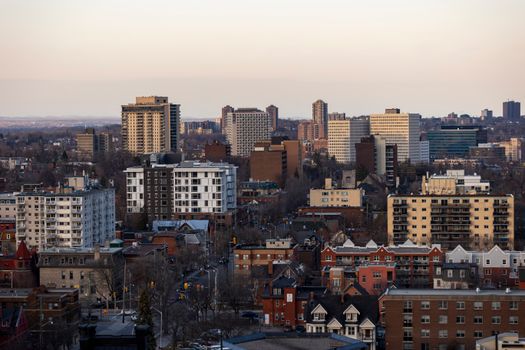
Ottawa's housing market has long carried a reputation for stability, the kind of slow-and-steady resilience that comes from having the federal government as the city's largest employer. But with Ottawa increasingly in the crosshairs of federal workforce reductions, that stability is being tested in ways the local market hasn't seen in a generation.
The Federal Factor
For decades, public sector employment has been the bedrock of Ottawa's real estate market. Government jobs mean reliable incomes, strong credit profiles, and long-term confidence in homeownership. When federal hiring is strong, Ottawa's housing market hums along. When it contracts, the ripple effects are real.
The current wave of federal downsizing, driven by spending reviews, departmental restructuring, and a push to reduce the size of the public service, is introducing a new layer of uncertainty for Ottawa homeowners and prospective buyers alike. Analysts at the Ottawa Business Journal have been tracking the trend closely, noting that the city's traditional insulation from broader economic volatility may be weakening.
Who's Most Exposed?
Not all Ottawa neighbourhoods feel the federal effect equally. Areas like Centretown, Hintonburg, and Westboro, long popular with young public servants, could see softened demand if layoffs or early retirement packages push workers out of the city or into more cautious financial positions.
Suburban communities like Barrhaven and Orleans, where many established federal employees have settled into family homes, may also see increased inventory if workers opt to downsize or relocate. On the other hand, the private sector and tech corridor anchored in Kanata North continue to attract talent independent of government trends, a buffer that could help balance the broader market.
Signs of Resilience
It's not all doom and gloom. Ottawa's real estate market has weathered federal restructuring before, through the mid-1990s program review cuts and various waves of public sector restraint since, and has historically recovered. The city's growing private sector, expanding post-secondary institutions, and strong immigration-driven demand all contribute to a more diversified housing base than Ottawa had even a decade ago.
Real estate professionals point out that supply in Ottawa remains constrained, particularly for entry-level and mid-range properties. That structural shortage provides a cushion even when demand softens, prices may plateau, but sharp drops are less likely unless layoffs reach significant scale.
What Buyers and Sellers Should Watch
For anyone active in Ottawa's market right now, a few things are worth monitoring:
- Inventory levels in neighbourhoods with high concentrations of public servants
- Days on market: a rising average signals softening buyer demand
- Variable vs. fixed rate decisions: economic uncertainty typically pushes buyers toward the security of fixed rates
- Rental demand: displaced buyers or workers relocating on contract often shift into the rental market, which can tighten supply and push rents higher
The smart move in any uncertain market is the same: buy for the long term, don't over-leverage, and understand your local micro-market rather than relying on city-wide averages.
The Bottom Line
Ottawa real estate isn't in crisis, but it's in transition. The federal downsizing effect is real, and savvy buyers and sellers are paying attention. Whether this moment represents risk or opportunity depends largely on your timeline, your neighbourhood, and how the broader federal employment picture evolves over the coming months.
Source: Ottawa Business Journal (obj.ca)