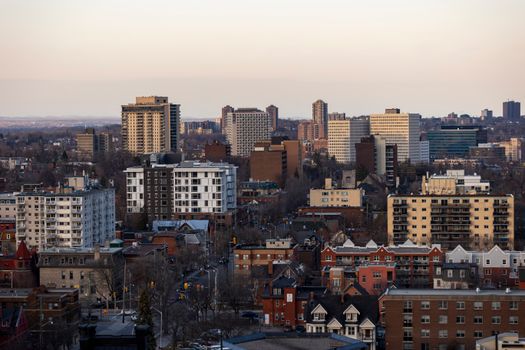
Ottawa's downtown core has a problem that sounds like it should have an obvious solution, empty office buildings on one side of the ledger, a housing shortage on the other. But for developers considering office-to-residential conversions, the calculus is rarely that simple.
The Opportunity Is Real
Vacancy rates in Ottawa's central business district have climbed steadily since the pandemic reshaped how federal public servants, the city's dominant office workforce, show up to work. Hybrid schedules have left large floor plates sitting dark, and landlords are increasingly asking whether holding out for tenants still makes sense.
For some, the answer has been to pivot toward residential. Conversions can breathe new life into underutilized buildings and add density to walkable, transit-connected neighbourhoods without consuming greenfield land. The federal government has also been dangling incentives to nudge exactly this kind of transformation.
The Math Can Be Brutal
But enthusiasm hasn't translated into a flood of shovels in the ground, because the numbers are hard to make work.
Office buildings weren't designed with residential living in mind. Deep floor plates mean interior units with no windows. Mechanical systems need wholesale replacement. Ceiling heights, plumbing stacks, and elevator ratios all present costly engineering headaches. In many cases, the per-unit cost of conversion rivals or exceeds new construction, without the flexibility of starting from scratch.
For Ottawa specifically, the challenge is compounded by a commercial real estate market where some older Class B and C buildings have dropped enough in value to make conversion pencil out, but Class A towers, often newer and more structurally complex, remain expensive to retool even as they sit underoccupied.
Who's Actually Doing It
A handful of Ottawa developers have moved forward with conversions, particularly on older stock in areas like Centretown and the ByWard Market fringe, where buildings are smaller, simpler, and already struggling to attract corporate tenants.
These projects tend to work best when the acquisition price reflects the building's diminished office value, city approvals move quickly, and the unit mix skews toward smaller formats that are cheaper to build out per square foot.
The City of Ottawa has signalled it wants to support this kind of intensification, and zoning changes in the Official Plan do remove some of the regulatory friction that previously made conversions more cumbersome. But developers say permitting timelines and development charges still eat into already thin margins.
The Bigger Picture
Ottawa needs housing. That much isn't in dispute. The city is projecting significant population growth over the next two decades, and purpose-built rental and ownership supply hasn't kept pace. Conversions won't solve the crisis on their own, but they represent one piece of the puzzle, especially if senior governments continue to offer low-cost financing and tax relief targeted at residential reuse.
For developers still sitting on the fence, the decision often comes down to one core question: how long can I afford to wait for office tenants who may never come back?
For some, that question is starting to answer itself.
Source: Ottawa Business Journal