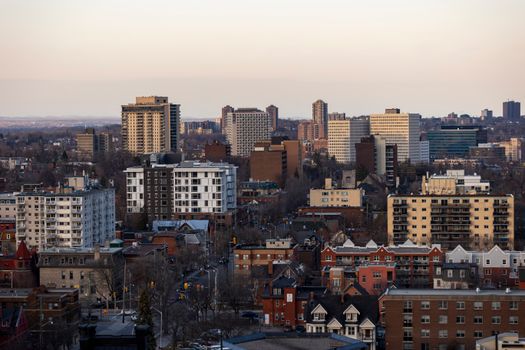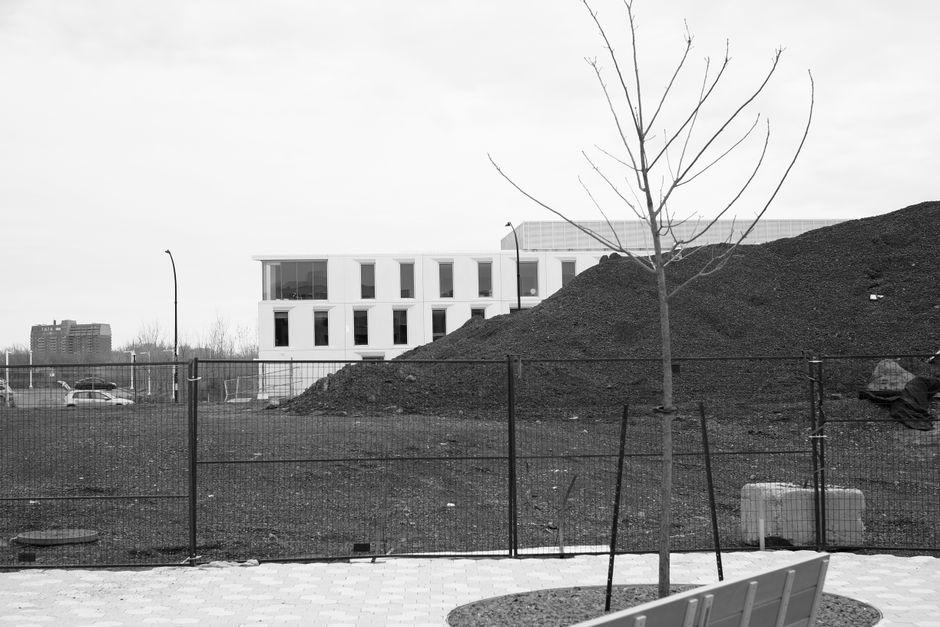
Ottawa's Glebe neighbourhood could soon see a surface parking lot transformed into a new residential building, according to a development proposal making its way through the city's planning process.
The Glebe, one of Ottawa's most walkable and desirable central neighbourhoods, has long been a target for intensification as the city pushes to add more housing density along its main streets and transit corridors. Surface parking lots, long considered underutilized urban land, have increasingly become prime candidates for residential infill across the capital.
What's Being Proposed
While full details of the specific proposal are still emerging, the application would see a residential building replace an existing parking lot in the neighbourhood. Developments of this type in the Glebe typically face scrutiny around building height, design compatibility with the area's Victorian and Edwardian streetscapes, and the impact on existing parking supply for nearby businesses.
The Glebe Business Improvement Area and local residents' associations have historically been vocal participants in planning consultations, often pushing for designs that respect the neighbourhood's heritage character while acknowledging the need for more housing.
Intensification Pressure Across Ottawa
This proposal reflects a broader trend playing out across Ottawa's inner-urban neighbourhoods. The city's Official Plan calls for significant intensification in established areas, particularly near Bank Street, one of the Glebe's main commercial spines and a designated arterial corridor.
Ottawa City Council has approved a series of policies in recent years aimed at making it easier to build more housing, including more permissive zoning for mid-rise buildings along main streets. Surface parking lots have been identified as low-hanging fruit: they generate relatively little economic activity, take up valuable land close to transit and amenities, and often sit on sites large enough to support meaningful housing supply.
For context, the Glebe sits just south of Lansdowne Park, which is currently undergoing its own major redevelopment adding hundreds of new residential units to the neighbourhood. That project has already begun reshaping the area's density and demographic mix.
What Neighbours Are Watching
Residents in established Ottawa neighbourhoods like the Glebe tend to have mixed feelings about intensification. Many welcome the idea of adding housing, especially given Ottawa's tight rental market and rising home prices, but have concerns about traffic, parking, shadowing, and whether new buildings fit aesthetically with the existing streetscape.
The city's planning department will review the application against Ottawa's zoning bylaws and design guidelines before any approvals are granted. Community consultation, likely through the local community association and a public meeting process, will give neighbours a formal opportunity to weigh in.
What Comes Next
The proposal will need to clear several planning hurdles before shovels could go in the ground. Depending on the scope of the project, it may require a zoning bylaw amendment, a site plan approval, or both. Ottawa's planning timelines for mid-rise residential developments typically run anywhere from several months to a few years, particularly if an appeal is filed.
For now, Glebe residents and housing watchers will be keeping a close eye on what gets proposed, and whether it becomes another example of Ottawa's parking lots making way for the homes the city badly needs.
Source: CTV News Ottawa via Google News