Is Ottawa a good place to buy a home in 2026?
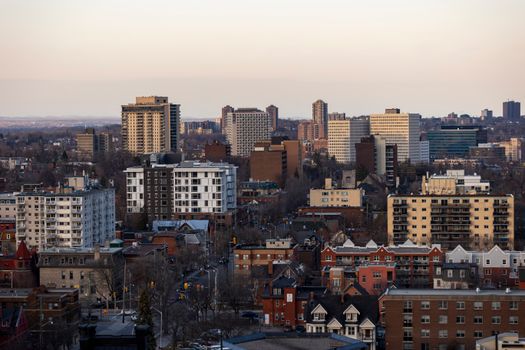
Ottawa is widely considered one of Canada's more stable real estate markets, and in 2026, that reputation holds. With a large base of federal government employees, a growing technology sector, and housing prices still well below Toronto and Vancouver, Ottawa offers a compelling case for buyers who want livability without the extremes of Canada's priciest cities.
What Makes Ottawa's Market Stable
The federal public service is Ottawa's economic anchor. Government jobs don't disappear in recessions the same way private sector jobs do, which buffers Ottawa from the wild market swings seen in Toronto or Calgary. When interest rates rose sharply in 2022–2023, Ottawa saw price corrections, but they were more moderate than in other major cities.
Ottawa's tech sector (centred in Kanata) adds a second pillar of employment. Companies like Shopify, Ciena, Ericsson, and Nokia maintain significant Ottawa presences. This drives demand in west-end neighbourhoods like Kanata and Stittsville.
Price Range in 2026
Ottawa's average home price in 2025 hovered in the $650,000–$720,000 range for detached homes, with significant variation by neighbourhood and property type. Condos and townhomes start considerably lower. Prices in suburban areas like Barrhaven and Orleans remain more accessible than urban core neighbourhoods like Westboro or the Glebe.
For up-to-date pricing, check the Ottawa real estate market section.
Who Should Buy in Ottawa in 2026
Good candidates for buying:
- Those with stable public service or tech employment
- Families looking for a long-term home (5+ year horizon)
- First-time buyers considering condos or townhomes in suburbs
- Investors targeting rental properties near the University of Ottawa or Carleton
Consider waiting if:
- You're uncertain about your employment or plan to leave the city within 3 years
- You're stretched thin at current interest rates, run the numbers carefully
Renting vs. Buying
With mortgage rates having risen from historic lows, the rent-vs-buy math has shifted. Monthly mortgage costs on a typical Ottawa home now exceed comparable rental costs in many cases. Buying still makes sense for long-term stability and equity building, but the short-term cash advantage of renting is real. Visit moving to Ottawa for a broader relocation perspective.
Frequently Asked Questions
Will Ottawa house prices go up in 2026? Most market analysts expect modest price growth in 2026 as interest rates stabilize or ease. Ottawa's fundamentals, stable employment and population growth, support gradual appreciation.
Is Ottawa cheaper than Toronto for real estate? Yes, significantly. Ottawa's average detached home price is typically 30–50% below Toronto's. It's a major draw for buyers relocating from the GTA.
What is the best area to invest in Ottawa real estate? Near LRT stations and university campuses for rental income. Kanata for family homes. The Glebe and Westboro for long-term appreciation in desirable neighbourhoods.
How do I find a real estate agent in Ottawa? Look for agents who specialize in your target neighbourhood. The Ottawa Real Estate Board (OREB) website lists licensed local agents.