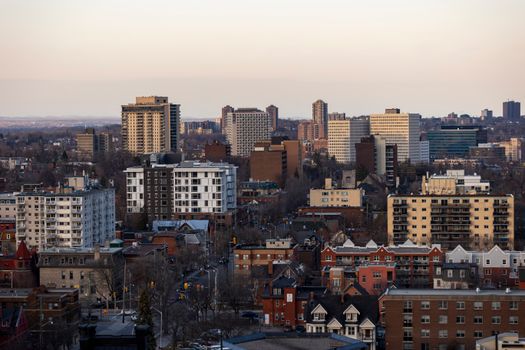
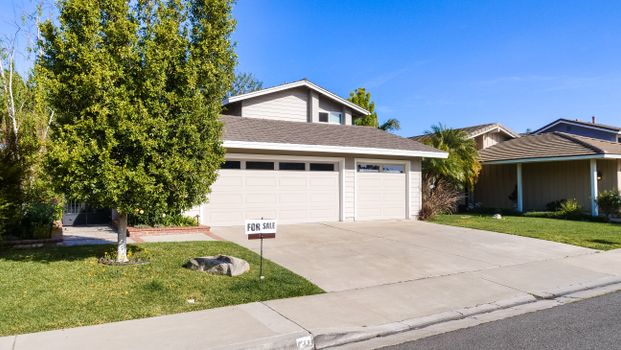
Ottawa's housing market has hit a deep freeze, and city officials are taking notice.
A recent committee hearing heard frank testimony describing Ottawa's real estate landscape as a "frozen market," with both buyers and sellers retreating to the sidelines as economic headwinds pile up. The characterization paints a sobering picture for a city that saw frenzied activity just a few years ago.
What's Holding the Market Back
The slowdown isn't unique to Ottawa, but local factors are amplifying the chill. Elevated interest rates have made mortgage costs significantly higher than they were during the pandemic buying boom, pricing out many first-time buyers who were already stretching their budgets. At the same time, sellers who locked in low rates aren't eager to give them up by listing and buying elsewhere, a dynamic economists sometimes call the "lock-in effect."
Adding to the uncertainty is the broader economic climate. Concerns about U.S. tariffs and their ripple effects on Canadian jobs and consumer confidence have made many Ottawa households more cautious about making major financial commitments. When people aren't sure what the economy looks like six months from now, a $600,000 purchase tends to get delayed.
What a Frozen Market Actually Means
A frozen market isn't the same as a crashing one. Prices haven't collapsed, in many Ottawa neighbourhoods, values have held relatively steady. But transaction volumes are down, homes are sitting longer before selling, and the urgency that defined 2021 and 2022 has largely evaporated.
For sellers, that means more days on market and less leverage in negotiations. For buyers, it means more options and slightly less competition, but affordability challenges haven't gone away, since prices haven't dropped enough to offset higher borrowing costs.
Real estate agents across Ottawa have noted that open houses are quieter and conditional offers are back in fashion, a stark contrast to the no-conditions, over-asking bids that were commonplace just a few years ago.
What the Committee Wants to Know
The fact that this is reaching the committee level signals that city officials are paying attention to the downstream effects of a sluggish housing market. A stalled market affects not just buyers and sellers but also development activity, municipal tax revenues, and the broader local economy, from moving companies and renovators to mortgage brokers and real estate lawyers.
The committee hearing is likely to explore what tools, if any, are available at the municipal level to stimulate activity, including questions about development charges, zoning flexibility, and affordable housing supply.
What Comes Next
Most analysts expect the frozen conditions to thaw gradually if the Bank of Canada continues cutting rates, something it has been doing cautiously over the past year. A clearer picture on tariffs and the broader economy would also help restore confidence.
For Ottawa residents watching the market, the message for now is patience. Whether you're looking to buy your first home in Barrhaven, downsize in the Glebe, or invest in a Centretown condo, the market isn't going anywhere fast, and that might actually be okay.
Source: CBC Ottawa via Google News RSS