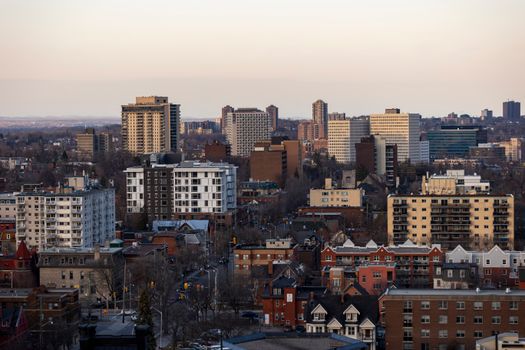
Ottawa's real estate market is facing a sobering new outlook after TD Bank dramatically revised its 2026 housing forecast, now projecting that both home sales and prices will decline across Canada, a sharp reversal from earlier, more optimistic predictions.
TD's Revised Forecast
TD economists have cut their expectations for the Canadian housing market, citing a combination of economic headwinds including trade uncertainty, softening consumer confidence, and the lingering effects of higher borrowing costs. Where the bank once anticipated a modest recovery in 2026, it now sees sales volumes and average home prices heading in the opposite direction.
The updated forecast represents a significant shift in the narrative that had been building around a spring rebound, one that many Ottawa-area agents and buyers had been counting on.
What This Means for Ottawa
Ottawa's housing market has always had a degree of insulation from national swings, thanks to the stabilizing influence of the federal public service. But that buffer may be thinner than usual heading into 2026.
The city has already seen buyer activity cool compared to the pandemic-era frenzy, and listings have been creeping up as would-be sellers who held off during the rate-hike cycle finally test the waters. If TD's forecast proves accurate, those sellers may find fewer competing offers, and less room to hold firm on price.
For buyers, a falling-price environment sounds like good news on the surface, but it comes paired with uncertainty. When prices are dropping and the economy feels shaky, many purchasers sit on the sidelines rather than catch a falling knife, which can actually extend the correction.
Tariffs and Economic Jitters
TD's economists flagged broader macroeconomic stress as a key driver of their revised outlook, with U.S. trade tariffs and their ripple effects on Canadian employment weighing heavily on the forecast. Ottawa, as the seat of the federal government, is not immune, any federal workforce restructuring or budget tightening could dampen demand in neighbourhoods like Barrhaven, Kanata, and Orléans where public servants make up a large share of homeowners.
Should Ottawa Buyers and Sellers Panic?
Not necessarily. TD's forecast is a national projection, and local markets can diverge meaningfully from the headline numbers. Ottawa's relatively affordable price points compared to Toronto or Vancouver, combined with its stable employment base, could cushion the blow.
That said, if you were planning to list this spring banking on multiple offers and a quick sale above asking, it may be time to have a frank conversation with your agent about adjusted expectations.
For buyers, patience and pre-approval remain the watchwords. If prices do soften through 2026, those who've done their homework and secured financing will be well-positioned to move when the right property comes along.
The Bottom Line
TD's downgraded forecast is a reminder that the housing market recovery many were anticipating isn't a sure thing. Ottawa isn't immune to national trends, but its fundamentals, steady government employment, growing tech sector, and ongoing population growth, give the market a degree of resilience that other Canadian cities may lack.
Keep an eye on the spring sales data as it rolls in. That will tell us far more about where Ottawa's market is actually headed than any bank forecast.
Source: CTV News / TD Bank housing market forecast, via Google News Ottawa Real Estate feed.