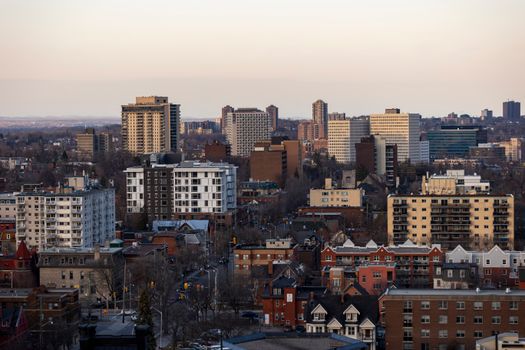
Ottawa has always prided itself on being the 'reasonable' alternative to Toronto's housing madness, but a growing number of analysts say the capital city is flirting with the same systemic failures that have pushed the Greater Toronto Area to a breaking point.
For years, the GTA relied on a model that appeared successful on the surface: soaring property values, waves of investor-driven demand, and a development pipeline that never quite kept up with population growth. The result wasn't a housing market. It was a speculative machine that locked out an entire generation of would-be buyers and left renters scrambling for scraps.
Ottawa Isn't Immune
While Ottawa's price points still look modest compared to Toronto or Vancouver, the underlying dynamics are strikingly similar. The city has seen average home prices more than double over the past decade. Rental vacancy rates have sat near historic lows, and purpose-built rental construction has lagged badly behind population growth driven by federal government hiring, university expansion, and interprovincial migration.
According to the Canada Mortgage and Housing Corporation, Ottawa needs tens of thousands of additional units by 2030 just to restore affordability to 2004 levels. That's not a tweak. That's a rebuild.
A System Designed to Fail Buyers
The GTA's housing crisis isn't just a supply problem: it's a governance problem. Decades of exclusionary zoning, slow approvals, development charges that inflate costs, and a political culture resistant to density have compounded the issue. Sound familiar? Ottawa's own Official Plan updates and infill battles reflect the same tensions.
Near-downtown neighbourhoods like Westboro, the Glebe, and Old Ottawa South have faced fierce resistance to gentle density, the kind of missing-middle housing (duplexes, triplexes, low-rise apartments) that experts say is the most effective tool for adding supply without disrupting neighbourhood character.
What Needs to Change
Urban planners point to several levers Ottawa can pull before it reaches GTA-level dysfunction:
- Accelerate approvals for infill and mid-rise developments along transit corridors like the O-Train lines
- Reform development charges so they don't price affordable builds out of viability
- Mandate inclusionary zoning on large developments to ensure a portion of units remain affordable in perpetuity
- Invest in non-market housing: co-ops, community land trusts, and public housing, rather than relying entirely on private developers to solve a social problem
The Window Is Still Open
Ottawa still has something Toronto lost a decade ago: time. The capital's housing market, while stressed, hasn't yet fully calcified into the GTA's two-tier reality where homeowners are wealthy and renters are perpetually precarious.
But that window is closing. City Council and the Province of Ontario will need to make hard calls, and make them soon, if Ottawa is going to chart a different course than the one Toronto is now desperately trying to escape.
The GTA's crisis isn't a warning from far away. It's a preview.
Source: Ottawa Life Magazine. Original analysis via ottawalife.com