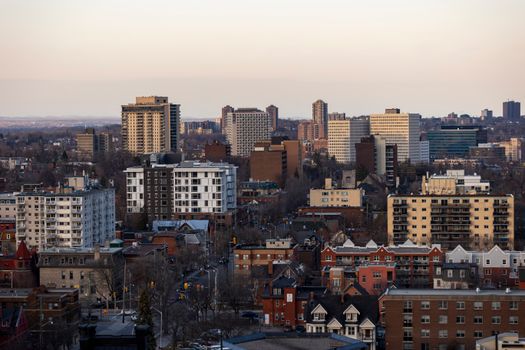
Ottawa is experiencing a historic surge in purpose-built rental (PBR) construction, and it's not just changing the city's skyline. It's changing who rents, and why.
For decades, Ottawa's rental market leaned heavily on the condo-investor model: individual landlords buying units and leasing them out. But that model is under pressure, and purpose-built rentals, buildings designed from the ground up for long-term tenants, are filling the gap in a big way.
What's Driving the PBR Surge?
A few forces have converged to make Ottawa a hotspot for purpose-built rental development. Rising interest rates squeezed condo investors out of the market, reducing the supply of investor-owned rental units. At the same time, Ottawa's population has continued to grow, fuelled by federal public sector workers, an expanding tech sector in Kanata, and record immigration levels bringing newcomers who need rental housing quickly.
Developers responded. New towers along transit corridors, think Hurdman, Tunney's Pasture, and along the O-Train lines, are increasingly purpose-built rentals rather than condos for sale. These projects offer professional management, amenity packages, and longer-term stability that individual landlords typically can't match.
Who's Actually Renting?
The profile of Ottawa renters is evolving in interesting ways. Yes, young professionals and recent graduates still make up a core chunk of demand, especially those working downtown or near Carleton and uOttawa campuses. But that's only part of the story.
Increasingly, empty-nesters and retirees are choosing to rent rather than own. Selling a family home in a hot market and moving into a well-managed rental building offers flexibility and removes the burden of maintenance, an appealing trade-off as more Ottawans hit their 60s and 70s. This demographic shift is pushing demand for larger, more upscale rental units with premium finishes and concierge-style services.
New Canadians are also a significant driver. Ottawa consistently ranks among the top cities for newcomer settlement, and rental housing, especially purpose-built stock with professional management, is often the first stop for immigrant families.
What It Means for the Market
The PBR boom is adding much-needed supply, but Ottawa's vacancy rate remains tight by historical standards. Purpose-built units tend to stay rented, tenants in professionally managed buildings churn less than those in privately owned condos, which keeps availability low even as inventory grows.
For renters, the shift toward purpose-built stock means more options with consistent quality: in-suite laundry, fitness centres, rooftop terraces, and bike storage have gone from luxuries to baseline expectations in newer buildings. The tradeoff? Rents in purpose-built towers tend to run higher than older basement apartments or converted houses.
For Ottawa's neighbourhoods, concentrations of new PBR towers around LRT stations are accelerating transit-oriented densification, a trend city planners have been pushing for years. Areas like Lebreton Flats, Little Italy, and Hintonburg are seeing the most visible transformation.
The Bottom Line
Ottawa's rental market is growing up. The shift to purpose-built rentals reflects a maturing city where renting is increasingly a long-term lifestyle choice, not just a stepping stone to ownership. As demographics shift and housing costs remain elevated, expect the PBR story to keep reshaping Ottawa neighbourhoods for years to come.
Source: RENX (Real Estate News Exchange)