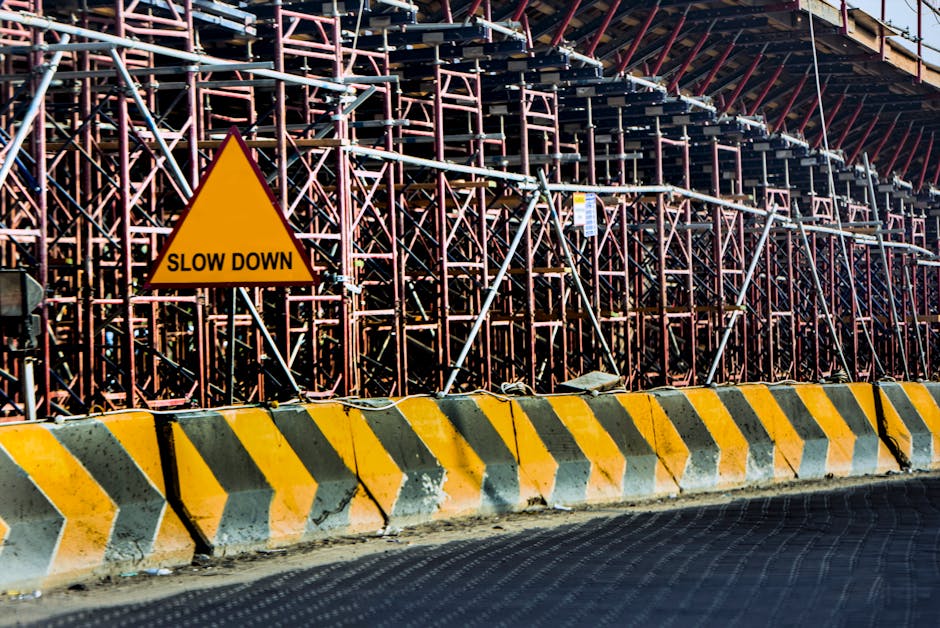
Ottawa commuters relying on Highway 417 are facing slower-than-usual travel times as construction activity ramps up along one of the city's busiest corridors.
The 417, the backbone of Ottawa's highway network, stretching from the western suburbs through the heart of downtown and out toward the east end, is no stranger to construction seasons. But when work intensifies, the ripple effects are felt by thousands of drivers every single day.
What's Happening on the 417
Construction crews have been active along stretches of the highway, causing lane reductions and merge points that funnel traffic into tighter bottlenecks. The result: commuters who once sailed through in 20 minutes are now sitting bumper-to-bumper for considerably longer, particularly during the morning and evening rush hours.
For anyone driving into downtown Ottawa from Kanata, Stittsville, or the west end, or heading out from Vanier and Gloucester in the east, the slowdowns are hard to avoid.
Why the 417 Is Such a Chokepoint
The 417 isn't just a highway. It's a daily lifeline for tens of thousands of Ottawa residents who commute between the suburbs and the urban core. Unlike some cities where drivers have multiple freeway options, Ottawa's highway grid offers fewer alternatives when the 417 bogs down.
When construction squeezes lanes, drivers often divert onto surface streets like Richmond Road, Carling Avenue, or Hunt Club Road, which then back up in turn, spreading the delays well beyond the highway itself.
Tips to Navigate the Delays
If you're stuck in the construction crawl, here are a few ways to make the best of it:
- Check before you leave. Ottawa's 511 service and Google Maps both offer real-time traffic data. A quick glance before heading out can help you decide whether to leave earlier, later, or take an alternate route.
- Consider transit. OC Transpo's park-and-ride lots at Baseline, Fallowfield, and Terry Fox stations offer a stress-free way to skip the 417 altogether during peak construction periods.
- Adjust your schedule. Even shifting your departure by 30–45 minutes can make a significant difference when construction narrows lanes.
- Use side routes strategically. Depending on where you're headed, Carling Avenue or the Queensway connector roads can sometimes move faster than the highway when lanes are reduced.
The Bigger Picture
Construction on major Ottawa roadways is an annual reality, winter takes a toll on pavement and infrastructure, and the short construction season means crews have to work intensively once warmer weather arrives. While the short-term frustration is real, the investment in road maintenance and upgrades generally pays off in smoother, safer driving conditions once the work wraps up.
In the meantime, Ottawa drivers are doing what they do best: adapting, grumbling a little, and finding their way through.
Source: CTV News Ottawa via Google News

