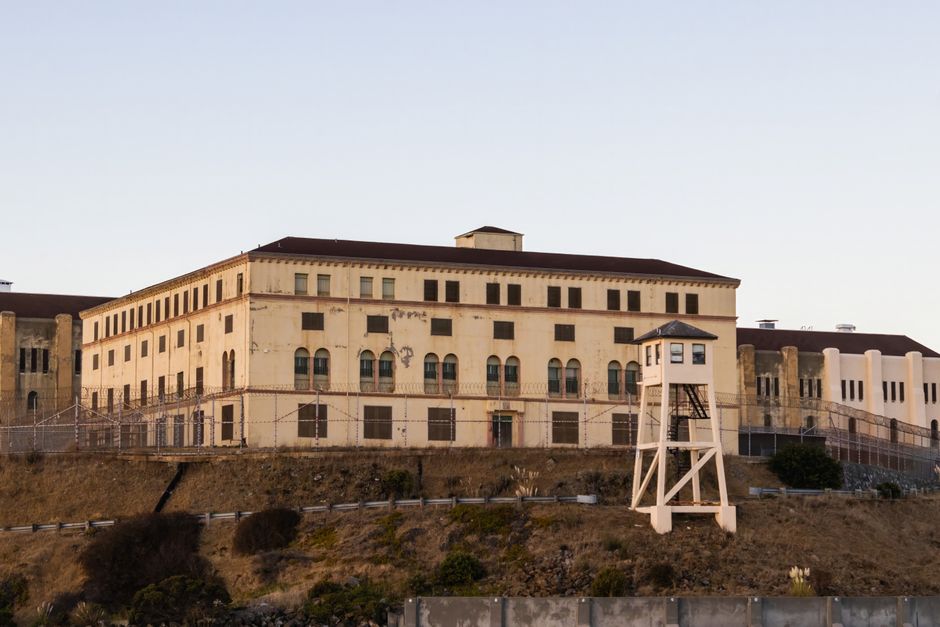
Ottawa is no stranger to conversations about cybersecurity, and a troubling incident at a provincial jail east of the city is giving residents one more reason to pay attention. Staff at the Central East Correctional Centre in Lindsay, Ont., one of the largest jails in the province, realized sometime on June 1 that the facility had suffered what officials described as a "breach related to its security systems." The response was drastic: servers were pulled offline while staff scrambled to assess the damage.
What happened in Lindsay
According to reports, the breach forced the correctional centre to take key servers offline as a precaution. Taking systems down is a standard containment step when a facility suspects unauthorized access, but inside a jail it carries unusual weight. Correctional centres rely on networked systems for everything from inmate records and scheduling to physical security infrastructure like door controls and surveillance.
While officials have been tight-lipped about the precise nature of the breach, the decision to disconnect servers suggests staff were treating the situation seriously. The Central East Correctional Centre houses well over a thousand inmates, making any disruption to its digital backbone a significant operational headache.
Why Ottawa should care
For Ottawa, this isn't just a far-off problem. The capital sits at the heart of both provincial and federal correctional networks, and the Ottawa-Carleton Detention Centre on Innes Road is part of the same provincial system overseen by the Ministry of the Solicitor General. A vulnerability exposed at one facility can point to weaknesses shared across the network, including institutions serving Ottawa.
Ottawa is also Canada's cybersecurity hub. The Canadian Centre for Cyber Security, headquartered here, has repeatedly warned that public-sector institutions and critical infrastructure are prime targets for ransomware and other attacks. Provincial agencies, hospitals, and municipalities across Ontario have all been hit in recent years, and correctional facilities are no exception.
A pattern of public-sector breaches
The Lindsay incident lands amid a steady drumbeat of cyberattacks on Canadian institutions. From municipal governments to school boards, attackers have shown they're willing to target organizations that hold sensitive data and can't afford prolonged downtime. Jails are a particularly sensitive case: a breach could potentially expose inmate information, staff records, or details about a facility's physical security setup.
Experts say the best defence is preparation, network segmentation, regular backups, staff training, and rapid incident response plans. Taking servers offline quickly, as happened in Lindsay, is often a sign those plans are being followed, even if the outage is disruptive.
What comes next
Provincial officials are expected to investigate the breach and determine whether any data was compromised. For Ottawa residents, many of whom work in or around the federal security apparatus, the episode is a reminder that even the most secure-sounding institutions aren't immune. As Ontario reviews what went wrong in Lindsay, the lessons learned could shape how facilities across the province, Ottawa included, harden their systems against the next attack.
Source: Global News Ottawa.

