Ottawa's growing love affair with pickleball and padel is well-documented, from packed public courts in the Glebe to new indoor facilities popping up across the city, but a story unfolding in Toronto right now should have local players and city planners paying close attention.
What Happened in Toronto
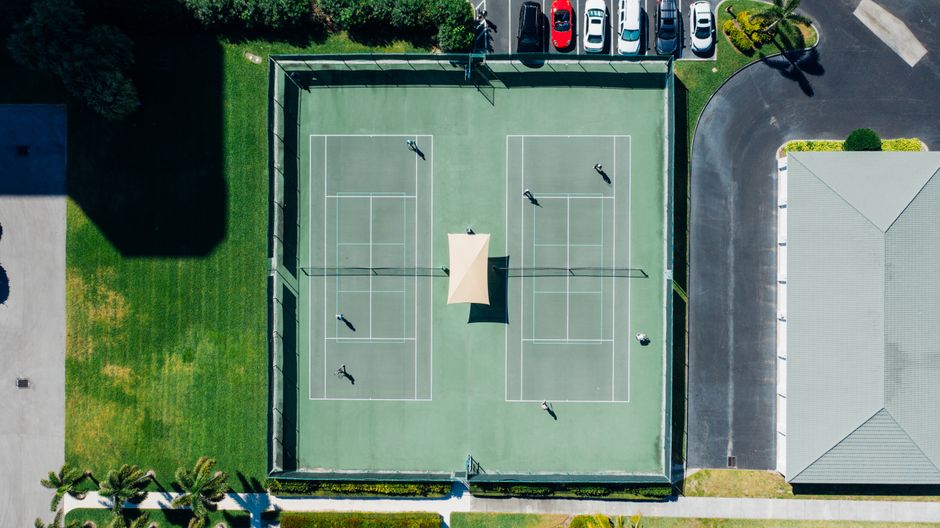
Fairgrounds Racket Club, a temporary outdoor pickleball and padel facility at 8 Rosehill Ave. in Toronto, is fighting for its life after a crippling property tax reclassification. The site sits on land owned by Originate Developments, which is earmarked for a future mixed-use residential project. Rather than leaving it vacant during the lengthy development approval process, the company partnered with Fairgrounds to activate the space as a community recreation hub.
The courts charge booking fees, a standard model for racket sports facilities, but that's where things went sideways. The Municipal Property Assessment Corporation (MPAC) reclassified the site from residential to commercial, triggering a tax rate 2.3 times higher than before. The result: an additional $500,000 per year in property taxes.
"This site was intentionally activated so it wouldn't sit empty while the development process moves forward," said Adam Sheffer, co-founder of Originate Developments. "Instead of a boarded-up lot, the community gained a place to play, gather, and stay active. Unfortunately, the current property tax system unintentionally penalizes exactly this kind of activation."
Without a tax solution or municipal intervention, Fairgrounds says the courts will have to close, leaving the land sitting vacant again until construction begins.
Why Ottawa Should Be Watching
Ottawa has seen a surge in temporary and pop-up recreational spaces in recent years, as developers and community groups look for creative ways to use idle land between planning and construction phases. Pickleball in particular has exploded in popularity, with demand consistently outstripping court availability across the city.
The Toronto situation raises a real question: could the same tax reclassification happen here? In Ontario, MPAC applies provincewide assessment rules, meaning any Ottawa site operating similarly, charging fees for recreational court access on residentially-zoned land, could theoretically face the same commercial reclassification.
For Ottawa residents who rely on affordable, accessible court time, that's not a small concern. Pop-up and temporary courts have been one of the most practical ways to meet demand without waiting years for permanent infrastructure.
The Bigger Picture
Urban planners and recreation advocates across Canada have long argued that tax policy needs to catch up with the realities of how cities use land. Activating vacant lots for community recreation is genuinely good urban policy. It reduces blight, builds community, and keeps people active. Punishing that activation with commercial tax rates works directly against those goals.
Toronto city councillors are reportedly aware of the Fairgrounds situation, but no fix has been announced. If the courts close, the land will simply sit empty, exactly the outcome the activation was meant to prevent.
Ottawa's city councillors and planning staff would do well to get ahead of this issue before a similar situation lands on their desks.
Source: blogTO

