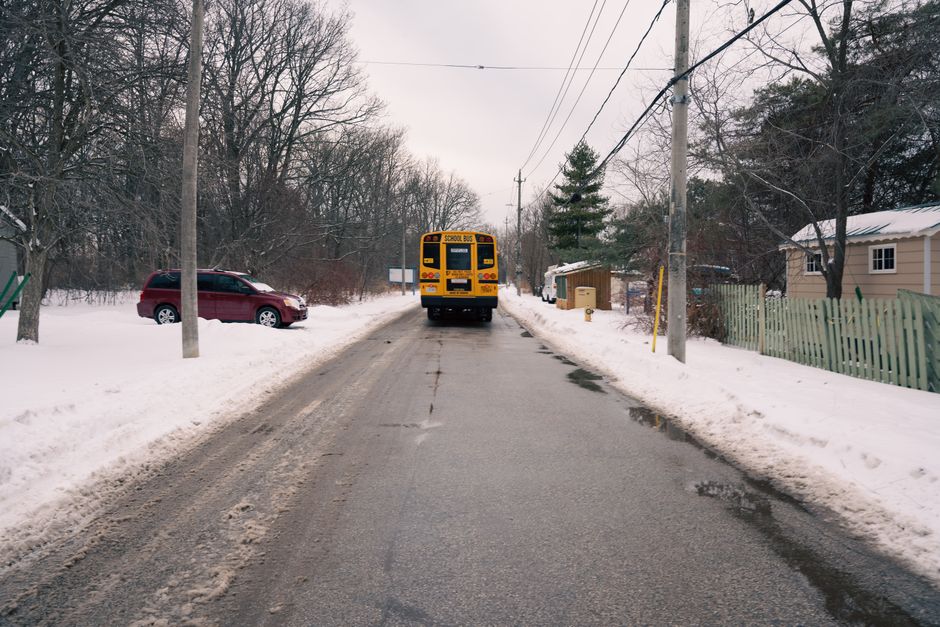
Ottawa's school zones are seeing a sharp rise in speeding since the city's automated speed enforcement cameras were decommissioned, according to data released by the City of Ottawa, and safety advocates say the numbers should be a wake-up call.
What the Data Shows
City data shows that speeding rates at former camera locations have climbed significantly since the devices were removed. The cameras, which were once stationed in school and community safety zones across the city, appear to have had a meaningful deterrent effect while they were active, and their absence is already being felt on Ottawa streets.
The findings underscore a familiar dynamic in traffic enforcement: drivers slow down when they know they're being watched, and speed back up when they're not.
Where the Cameras Once Stood
Ottawa's automated speed camera program targeted school zones and areas near parks and community centres, places where children and pedestrians are most vulnerable. While the cameras were operational, they issued thousands of tickets and generated considerable revenue, but the primary goal was always behaviour change.
Now that those enforcement tools are gone, speed data suggests drivers are reverting to old habits, and in some locations, speeds may be even higher than before the program launched.
Why It Matters for Ottawa Families
For parents dropping kids off at Ottawa schools, or for families walking through residential neighbourhoods, the return of high speeds is more than just a statistic. School zones exist because children are unpredictable. They run, dart, and don't always look both ways. A car travelling even 10 km/h over the posted limit dramatically reduces a driver's ability to stop in time.
Community groups in Ottawa have long pushed for stronger, more consistent speed enforcement in residential areas. Many had celebrated the camera rollout as a step in the right direction, so news of the post-removal spike is being met with frustration.
The Bigger Debate
The surge in speeding reignites a debate that has been simmering at Ottawa City Hall for years: are automated cameras the most effective and equitable way to manage traffic speeds, or do they simply shift the problem elsewhere?
Proponents argue the data speaks for itself, cameras work, and their removal has consequences. Critics have raised concerns about the revenue-generation aspect of the program and whether enforcement was distributed fairly across Ottawa's neighbourhoods.
With this new data on the table, city councillors may face renewed pressure to revisit the program, either by bringing cameras back, exploring new enforcement technologies, or investing more heavily in physical road design changes like speed humps and narrowed lanes that slow traffic regardless of enforcement presence.
What Comes Next
For now, Ottawa residents near former camera sites are left to navigate streets where speeding appears to be on the rise. Whether City Hall responds with a policy change, a new round of cameras, or a combination of measures remains to be seen.
What the data makes clear is that removing automated enforcement had a real and measurable impact on driver behaviour, and Ottawa's school-zone safety may be paying the price.
Source: CBC Ottawa, Speeding surges at former camera sites, city data says

