Ottawa researchers, urban planners, and public health officials are all in the spotlight this week, with three major local stories breaking on the same day.
Ottawa Scientists' Stem Cell Treatment Offers Hope for Severe COVID Patients
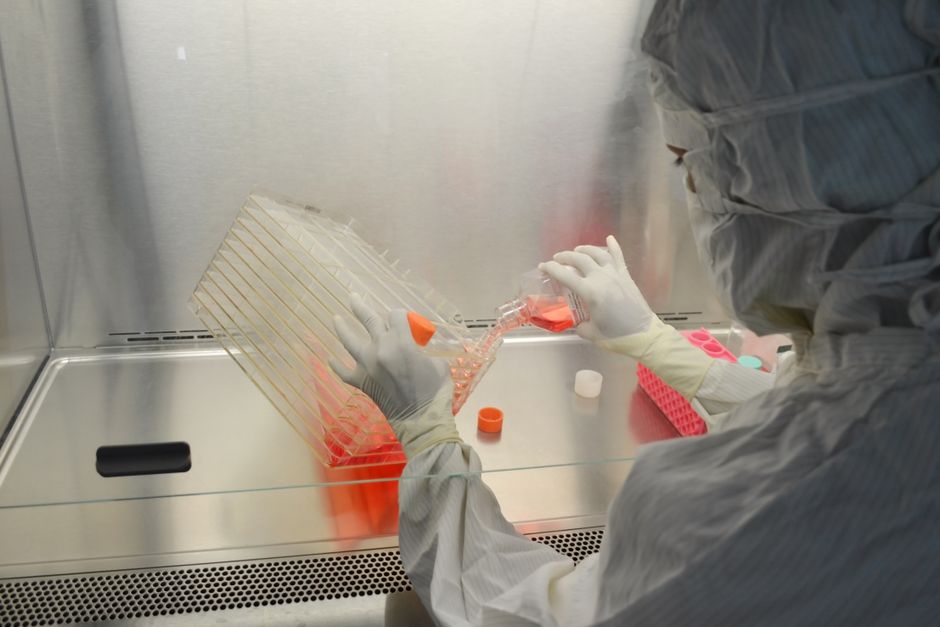
When hospital ICUs were overwhelmed during the darkest days of the COVID-19 pandemic, a team of Ottawa scientists raced to develop an experimental stem cell therapy, and for patients like Sharon Charlebois, it may have made all the difference.
Charlebois credits the treatment with saving her life after she became critically ill with COVID-19. The therapy, developed and administered locally, targeted the runaway inflammation that pushes severe COVID cases toward fatal outcomes.
The results, now drawing wider attention from the medical community, represent a significant milestone for Ottawa's research ecosystem. Stem cell treatments have long been studied as potential tools against inflammatory and autoimmune conditions, but the pandemic created urgent pressure to accelerate clinical work. Ottawa's ICU crisis became, in a grim way, an opportunity to gather real-world data under fire.
Researchers involved in the program say the findings are promising enough to warrant further trials, and could eventually inform treatment protocols not just for COVID, but for other conditions that involve severe inflammatory responses.
Ottawa Earns Official 'Bird Friendly City' Certification
In a feel-good win for local environmentalists and nature lovers, Ottawa has been officially certified as a Bird Friendly City, a designation that recognizes municipalities committed to protecting urban bird populations through habitat preservation, lighting policies, and community engagement.
The certification reflects years of advocacy from local birding groups, city planners who have pushed for native plant requirements in new developments, and bylaw updates aimed at reducing bird collisions with glass buildings, a leading cause of urban bird mortality.
Ottawa's diverse green corridors, from the Rideau River Natural Environment Area to the National Capital Greenbelt, already support hundreds of migratory and resident species. The formal certification gives the city international recognition and opens doors to funding and partnerships with other bird-friendly municipalities across North America.
For residents, the designation is a call to action: planting native species in backyards, keeping cats indoors during nesting season, and using bird-safe window films are among the simplest ways Ottawans can contribute.
Wastewater Drug Surveillance Program Pitched to Ottawa City Council
Ottawa city councillors are being asked to consider a new public health tool: monitoring the city's wastewater for traces of illicit drugs to better understand local substance use trends.
Wastewater epidemiology, the science of analyzing sewage for chemical markers, gained widespread attention during the pandemic when it was used to track COVID-19 spread before clinical case counts caught up. Public health officials now want to apply the same approach to the drug crisis.
The pitch to council argues that wastewater data can reveal which substances are most prevalent in different parts of the city, help allocate harm reduction resources more effectively, and flag dangerous new compounds, like novel synthetic opioids, entering the local drug supply before overdose clusters emerge.
Privacy advocates have noted that wastewater surveillance captures population-level data, not individual information, which distinguishes it from other monitoring approaches.
Council has not yet voted on the proposal. If approved, Ottawa would join a small but growing list of Canadian cities using the method as a frontline public health intelligence tool.
Source: Ottawa Citizen

