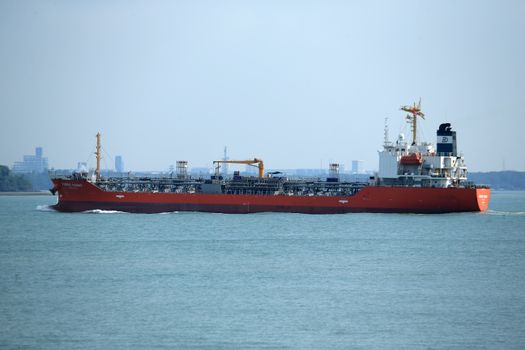
The Strait of Hormuz, the narrow waterway between Oman and Iran through which roughly 20 percent of the world's traded oil flows daily, is under direct threat as Iran escalates its conflict with U.S. and allied forces. The consequences for global energy markets, and for Canadian consumers and producers, are significant and growing.
Understanding the Chokepoint
The Strait of Hormuz is only about 33 kilometres wide at its narrowest navigable point. Every day, approximately 17-21 million barrels of oil pass through it on tankers bound for Asia, Europe, and beyond, along with massive quantities of liquefied natural gas from Qatar.
There is no practical alternative for much of this supply. The only overland pipeline alternatives run through Saudi Arabia and have limited capacity. If the Strait were completely closed, even temporarily, the disruption to global energy supply would be catastrophic.
Iran's Leverage
Iran has long threatened to close the Strait as a retaliatory measure and has demonstrated the capability to harass and attack shipping in the area. Iranian mines, fast-attack boats, and shore-based missile systems all represent real threats to tanker traffic.
The current escalation hasn't yet approached a full closure, but even partial disruption has been enough to spike prices significantly.
The Canadian Numbers
Canada's benchmark crude, Western Canadian Select (WCS), has seen its price jump significantly this week. For federal budget planning in Ottawa, every sustained $10 increase in the price of oil adds billions in resource revenue to federal and provincial coffers, a windfall that the Carney government is quietly noting as it prepares the spring budget.
For Ontario and Quebec consumers, however, the higher commodity prices translate quickly to pump prices, already elevated compared to last year.
Source: NPR