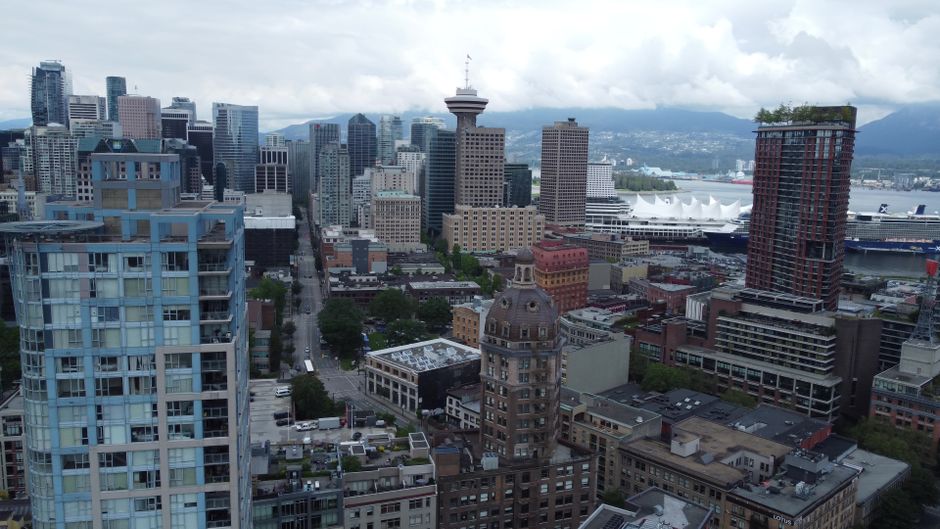
Ottawa buyers priced out of the national market are watching the Vancouver-Edmonton divide widen, and the contrast couldn't be more dramatic in 2026.
Vancouver: Still Canada's Most Expensive City
The Greater Vancouver benchmark home price sits at approximately $1.18 million as of early 2026, according to the Real Estate Board of Greater Vancouver. Detached homes in sought-after neighbourhoods like Kitsilano or Point Grey regularly clear $2.5 million. Even condos, long considered the entry-level option, average around $760,000. Vancouver's persistent supply constraints, geography locked by ocean and mountains, and continued demand from high-income professionals keep prices elevated despite interest rate fluctuations.
Rent is equally punishing. A one-bedroom in Vancouver's West End averages $2,600/month, pushing many residents to the suburbs or out of the province entirely.
Edmonton: The Affordability Champion
Edmonton tells a completely different story. The benchmark home price sits near $420,000 in early 2026, roughly one-third of Vancouver's. Detached homes in established neighbourhoods like Glenora or Westmount run $550,000–$750,000, while newer suburbs in the southwest offer detached builds for under $500,000.
Edmonton benefits from Alberta's no-provincial-income-tax environment and a resurging energy sector. In-migration from BC and Ontario has accelerated, drawn by wages that stretch significantly further than in Vancouver or Toronto.
What Ottawa Buyers Should Know
For Ottawa residents earning federal public service salaries around $80,000–$120,000, Vancouver is effectively off the table without significant equity or family wealth. Edmonton, by contrast, is increasingly competitive with Ottawa's own benchmark price of roughly $650,000.
Some Ottawa professionals relocating for private-sector roles in Alberta find they can buy a larger home in Edmonton for 30–40% less than Ottawa, and still save on income tax. However, Edmonton's winters are harsher, and the city lacks Ottawa's bilingual federal employment base.
The Investment Angle
Vancouver has historically delivered stronger long-term appreciation, roughly 6–8% annually over the past decade. Edmonton has been more cyclical, tied to oil prices, but has shown steadier growth since 2022 as energy revenues stabilized. Neither market offers the relative stability Ottawa buyers are accustomed to.
The Verdict
For pure affordability, Edmonton wins decisively. For lifestyle and long-term price appreciation, Vancouver remains compelling, but only for those who can afford entry. Ottawa sits comfortably in the middle: more affordable than Vancouver, slightly pricier than Edmonton, with the stability of a government-anchored economy.

