Qualcomm, the company whose chips quietly power a huge share of the world's Android phones, has a message for anyone who thinks the smartphone is forever: it isn't, and Qualcomm intends to be inside whatever comes next.
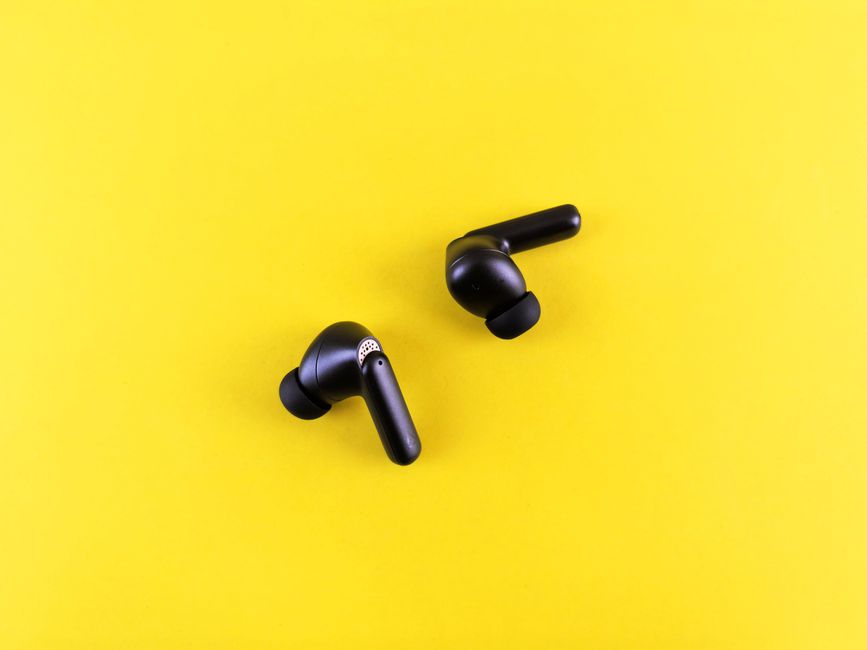
Speaking on Tuesday, Qualcomm CEO Cristiano Amon said the chipmaker is working on more than 40 different AI wearable devices: a sprawling lineup that includes smart jewelry, earbuds with built-in cameras, wearable pins, and watches. The announcement, which accompanied two new products, is one of the clearest signals yet that the industry's biggest players believe the next major computing platform won't sit in your pocket. It'll sit on your body.
Why the phone might not be the endgame
For more than 15 years, the smartphone has been the center of gravity for personal technology. But the rise of on-device AI assistants, software that can see, hear, and respond in real time, has reopened a question the industry thought was settled: what's the ideal hardware for an always-available assistant?
A pair of earbuds with cameras can watch what you're looking at. A pin or piece of smart jewelry can listen and answer without you ever pulling out a screen. Amon's pitch is that Qualcomm wants to supply the silicon for all of it, the same way it spent the last decade supplying the brains for flagship phones. Betting on 40-plus device types is a hedge: nobody knows yet which form factor wins, so Qualcomm is trying to be everywhere at once.
The Ottawa and Canadian angle
For Canadians, the shift matters more than it might seem. Wearables that constantly capture audio and video raise fresh privacy questions, and Canada's privacy regulators have already been wrestling with how existing law applies to always-on AI hardware. A camera in someone's earbuds is a very different thing to walk past on Sparks Street than a phone someone has to deliberately raise.
There's an economic thread too. Ottawa remains one of Canada's most important technology hubs, with a deep bench of wireless, chip-design, and connectivity talent dating back to the Nortel era and continuing through companies like Ranovus, Ciena's local operations, and a cluster of semiconductor startups. A platform shift away from phones reshuffles the whole supply chain, and the firms that design the components, antennas, and AI models behind these devices stand to win or lose based on which bets pay off.
What to watch next
Two products is a start, not a revolution. The real test is whether consumers actually want to wear their computer rather than carry it, something a string of earlier "AI gadget" launches has struggled to prove. Smart pins and AI necklaces have so far been met with curiosity more than mass adoption.
Still, when the company supplying the engines for most of the Android world says the car is about to change shape, it's worth paying attention. If Qualcomm is right, the device you reach for in 2030 might not be a phone at all, and the chip inside it may trace its lineage straight back to this week's announcement.
Source: TechCrunch.