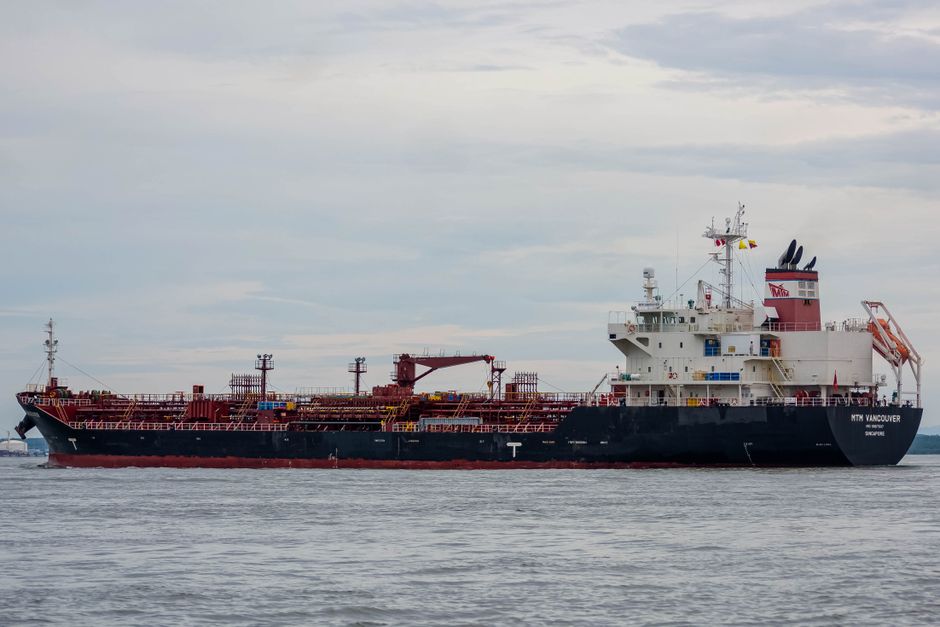
In an unexpected turn, Russia may be one of the few major powers finding economic opportunity in the chaos of the US-Israel war with Iran. With the Strait of Hormuz closed and global oil prices near $100 per barrel, the United States has quietly allowed the purchase of Russian oil stranded at sea, a striking shift in policy for a government that spent years working to isolate Russian energy exports.
Russian Oil Back in Play
Since Russia's invasion of Ukraine in 2022, the US and its allies introduced sweeping sanctions targeting Russian oil exports, including a price cap mechanism designed to limit Russia's energy revenues. The policy was intended to squeeze the Kremlin's finances while still allowing some Russian oil to flow to countries that refused to join the sanctions regime.
Now, with global oil supply severely constrained by the Iran war's disruption of Gulf shipping, the calculus appears to have shifted. US officials have reportedly signalled tolerance for purchases of Russian oil currently floating at sea, tankers that were stranded or idled due to the previous sanctions environment, as a way to ease pressure on global markets.
Why Washington Made the Call
The decision, however uncomfortable politically, reflects a hard-nosed economic reality: the global economy is hurting, oil prices are painfully high, and any available supply offers some relief. Russian oil that was previously off-limits now looks more attractive when the alternative is $100-per-barrel crude or empty shelves.
For the Trump administration, which has framed its Iran policy around strength and economic patriotism, accepting higher oil prices indefinitely would carry its own political costs. Allowing Russian oil to re-enter the market, even implicitly, offers a pressure-release valve.
Russia's Windfall
For Russia, the situation is an extraordinary reversal of fortune. After years of sanctions-driven economic pressure, Moscow finds itself holding a commodity, oil. That the world desperately needs, at prices it can only have dreamed of a year ago. Even selling at a discount to the global benchmark (as Russian oil often does due to sanctions-related stigma), Russian energy revenues have risen sharply since the Iran war began.
The Kremlin has watched the Iran conflict with careful attention. Russia has longstanding ties with Iran and has generally opposed the US-led military campaign. But it has not taken any active steps to help Iran militarily, a posture that allows Moscow to benefit economically from the resulting energy crisis without directly provoking Washington.
A Complicated Alliance
The Iran war has strained an already complex Russia-China-Iran relationship. China and Russia have both positioned themselves as opponents of US unilateralism, but neither has been willing to take concrete actions that would cost them economically. Russia's quiet willingness to sell oil to whoever will pay, and Washington's willingness to buy or allow purchases, suggests that beneath the rhetoric of geopolitical blocs, pragmatic economics still dominate decision-making.
The Uncomfortable Irony
For Ukraine, watching Russian oil revenues recover due to a US-initiated war in the Middle East is deeply uncomfortable. Kyiv's supporters in Europe have long argued that Russian energy revenues help fund the Kremlin's military machine, including its ongoing operations in Ukraine. An Iran war-driven windfall for Moscow is the last thing Ukraine's backers hoped to facilitate.
The situation illustrates how wars rarely produce clean outcomes, and how the secondary effects of large conflicts often confound the intentions of those who start them.
Source: Al Jazeera

