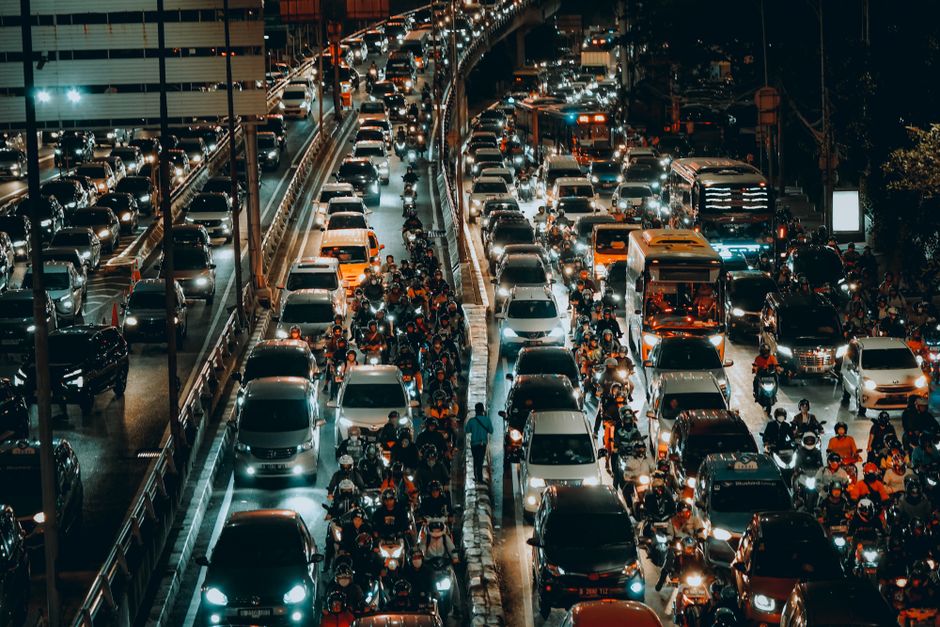
Fuel Crisis Hits Southeast Asia's Developing Economies Hard
While wealthy nations like Canada grapple with expensive gasoline, Southeast Asian countries with limited energy reserves are facing a far more acute crisis. Nations including Indonesia, Vietnam, the Philippines and Thailand have begun implementing emergency energy conservation measures as oil prices, now above $100 per barrel, strain government fuel subsidy programs and threaten economic stability.
Indonesia, Southeast Asia's largest economy, has ordered non-essential government offices to shift to four-day work weeks and has restricted private vehicle use in major cities on alternating days. Vietnam has announced limits on domestic air travel and is rationing diesel fuel for commercial trucking.
Why Developing Nations Are More Vulnerable
Unlike Canada, which is a major oil producer and benefits from high prices, most Southeast Asian economies are net importers of petroleum. Many also rely heavily on government-subsidized fuel prices to keep transportation and goods affordable for large lower-income populations.
With oil above $100, those subsidy programs are becoming fiscally unsustainable. The Philippines alone spends an estimated $3–4 billion annually on fuel subsidies; at current prices, that could double or triple. Governments face a painful choice: drain fiscal reserves, cut other programs, or pass the costs on to consumers.
The Canada-ASEAN Trade Connection
For Ottawa-based businesses and policymakers, the Southeast Asian crisis is not a distant concern. Canada's trade with ASEAN nations has grown significantly over the past decade, and disruptions to these economies will ripple through supply chains for electronics, garments, manufactured goods, and agricultural products.
Canadian officials have been in contact with ASEAN counterparts about the crisis. The Canadian International Development Agency is also assessing whether emergency assistance may be needed for some of the region's more vulnerable populations.
For Ottawa consumers, the disruption adds another layer of complexity to already-strained global supply chains, with analysts predicting further delays and price increases for imported goods in the months ahead.
Source: Al Jazeera

