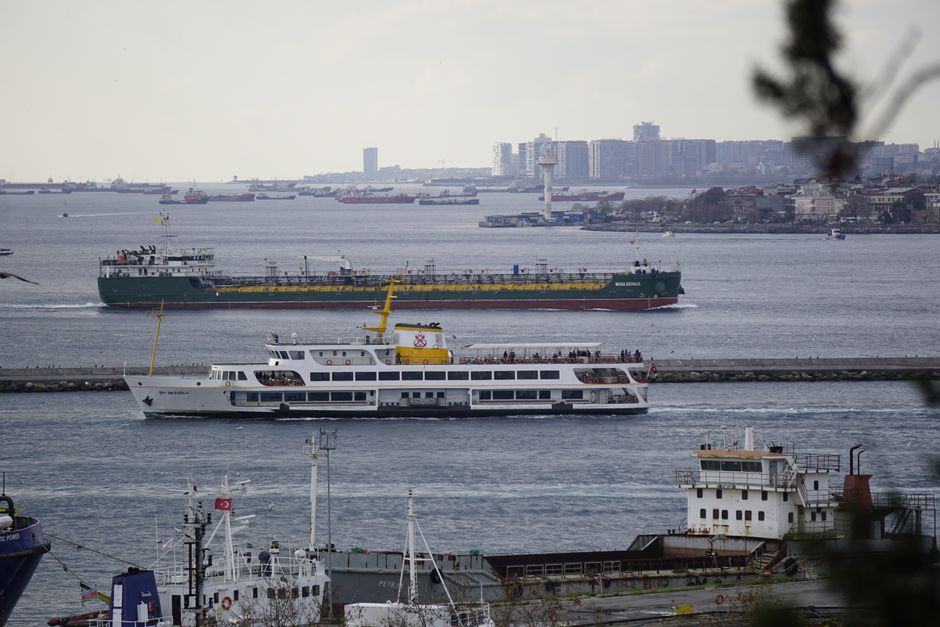
The U.S.-Israel war against Iran is entering its third week, and President Donald Trump is finding it increasingly difficult to build the coalition he needs to reopen the Strait of Hormuz. Several key American allies have flatly declined his request to send warships to escort convoys through the strategic waterway, and Trump is not hiding his displeasure.
Allies Push Back
Germany, Spain, and Italy each stated they lack the mandate to participate in the naval effort. German Chancellor Friedrich Merz was direct: "We lack the mandate from the United Nations, the European Union or NATO." Trump responded by pointing to decades of American protection provided to these countries, saying some allies "weren't that enthusiastic" about stepping up.
The pushback underscores a deep divide between Washington and its European partners over the legitimacy and scope of the Iran conflict, a rift that has grown more pronounced with each passing week.
The War's Third Week
As of Monday, the Strait of Hormuz, through which 20% of the world's oil and liquefied natural gas flows, remains largely closed, disrupted by Iranian drones and naval mines. Israel says it has detailed plans for at least three more weeks of military operations and overnight struck Iranian space program facilities and research centres in Tehran.
U.S. military officials reported approximately 200 troop injuries since the conflict began on February 28, with 180 already returned to duty.
Regional Spillover
The conflict is spreading. Iranian drone attacks temporarily shut down Dubai's international airport and struck a key oil facility in the United Arab Emirates. Iran's Revolutionary Guard vowed further strikes on U.S. industrial facilities throughout the Middle East, raising concerns about the conflict drawing in more regional players.
In Lebanon, Israeli forces conducted bombing operations against Hezbollah, with reports of more than one million Lebanese displaced since the fighting escalated.
Humanitarian Warnings
Five major nations, Canada, France, Germany, Italy, and Britain, issued a joint warning that significant Israeli ground operations in the region could trigger "devastating humanitarian consequences." The statement signals growing international unease about where the conflict is heading, even among countries that have broadly supported Israel's right to self-defence.
What Comes Next
With allied support proving elusive and Iran showing no signs of backing down, Trump faces a difficult path forward. The decision to deploy 2,500 marines to the region represents the administration's most significant military escalation yet, but analysts warn it may not be sufficient without broader international cooperation to secure the strait and stabilize global energy flows.
Source: CBC News

