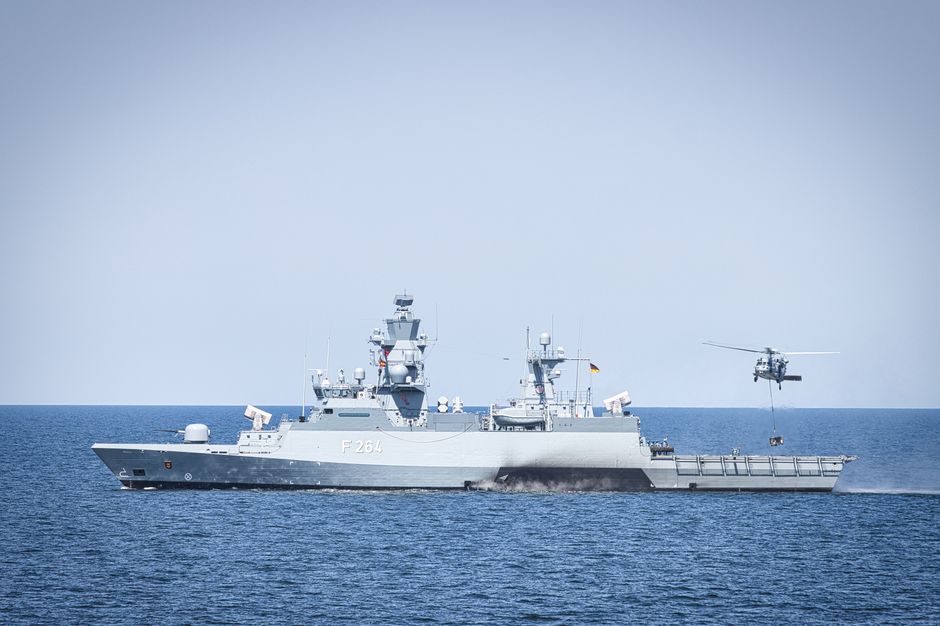
Trump's Allies Aren't Leaping into the Strait of Hormuz
As the United States ratchets up its naval presence in the Strait of Hormuz amid escalating tensions with Iran, a conspicuous silence is emanating from Washington's traditional allies. For a conflict that could affect global oil flows and regional stability, the reluctance of European and other partners to join America's side is a telling signal.
The Strait of Hormuz is one of the world's most strategically critical waterways, roughly 20% of global oil supply passes through it. Any disruption to shipping in the strait would send energy prices surging worldwide, affecting everyone from European consumers to Asian manufacturers.
Why Allies Are Holding Back
Several factors are driving allied reluctance. First, the political context of Trump's foreign policy, characterized by unpredictability and a willingness to abandon multilateral frameworks, has made traditional allies cautious about committing forces to operations they may not be able to shape or exit cleanly.
Second, many European nations have diplomatic relationships with Iran that they don't want to sacrifice for an operation whose goals and end-states remain unclear. The memory of past Middle East military engagements, and their long, costly afterlives, weighs heavily.
The Canadian Dimension
For Canada, which has tried to maintain some independent space on Middle East issues, the situation is delicate. Canadian shipping interests and energy markets are directly exposed to any disruption in global oil flows through the strait, giving Ottawa a real stake in the outcome regardless of its diplomatic positioning.
What Comes Next
The diplomatic dynamics around the Strait of Hormuz will tell us a great deal about the state of the Western alliance under current conditions, and whether the coalition that has defined international security for decades can still hold together when tested by a genuine crisis.
Source: CBC News

