What Trump's cryptic post reveals about U.S.-Israeli alignment in the Iran war
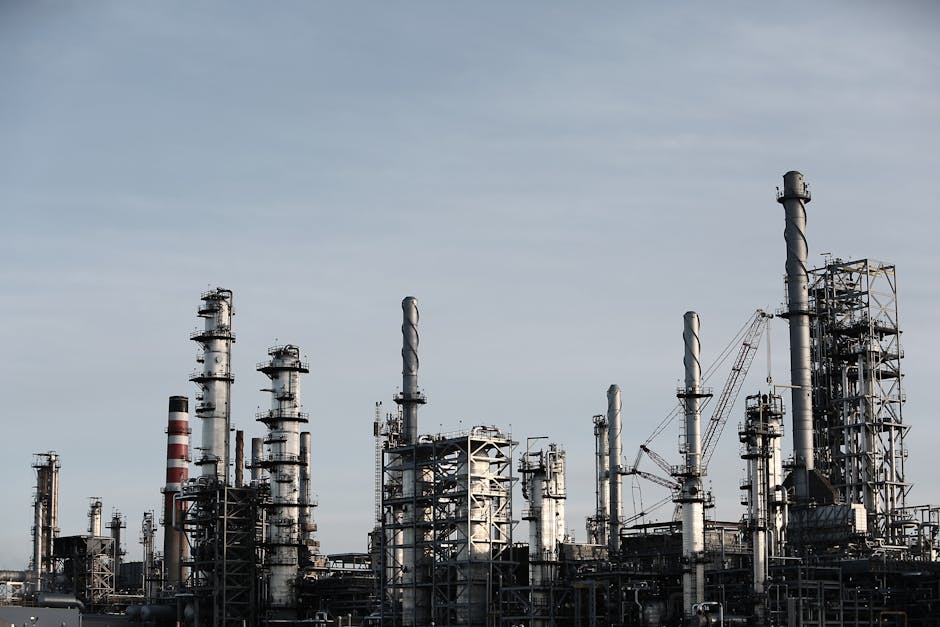
When Iran attacked Gulf gas refineries in a major escalation of the ongoing conflict, the world turned its eyes to Washington. What came from Donald Trump was not a press conference or a formal statement. It was a brief, ambiguous post on Truth Social. Analysts have since been working overtime to decode what it tells us about the U.S. relationship with Israel as the war deepens.
The Post That Sparked a Thousand Interpretations
Trump's message was characteristically oblique, short, pointed, and open to multiple readings. Was it a warning to Iran? A signal of support for Israel? A message to Gulf states? Intelligence analysts and foreign policy experts say the ambiguity may itself be deliberate, a form of strategic communication designed to keep adversaries guessing while reassuring allies.
The post came at a critical moment. The Iranian strike on Gulf gas infrastructure sent energy markets into turmoil and raised immediate questions about whether the United States would respond militarily alongside Israel or hold back.
How Aligned Are Washington and Jerusalem?
The honest answer, analysts say, is: more than publicly admitted, but less than fully coordinated. The U.S. and Israel share intelligence, and American diplomatic cover at the United Nations has been essential to Israel's ability to continue its military operations without broader international censure.
But there are real differences in approach. The relationship under Trump has given Israel considerable latitude to act, while the U.S. provides rhetorical and logistical support. Whether that translates into joint military action is the key open question.
The Energy Stakes
The attack on Gulf refineries has given the conflict a new dimension. Energy markets were already jittery; the strike sent oil prices sharply higher and rattled economies from Asia to Europe. For the United States, which has significant economic relationships with Gulf states, the targeting of energy infrastructure is a direct provocation that demands a considered response.
What Comes Next
The coming days will likely clarify the U.S. posture. If Washington moves military assets closer to the region or issues formal condemnations with teeth, it signals deeper alignment with Israeli objectives. If the response remains rhetorical, it suggests the U.S. is trying to limit the conflict's spread.
For the rest of the world, including Canada, which has been pushing for G7 de-escalation efforts, the trajectory of U.S.-Israeli coordination will be decisive in shaping whether this conflict widens or begins to wind down.
Source: BBC News