A routine flight turns tense over the Pacific coast
An Air Canada flight from Toronto to San Francisco turned into a white-knuckle ride on July 31, after the aircraft's engine began failing mid-flight, prompting the crew to declare a full-blown "Mayday" emergency.
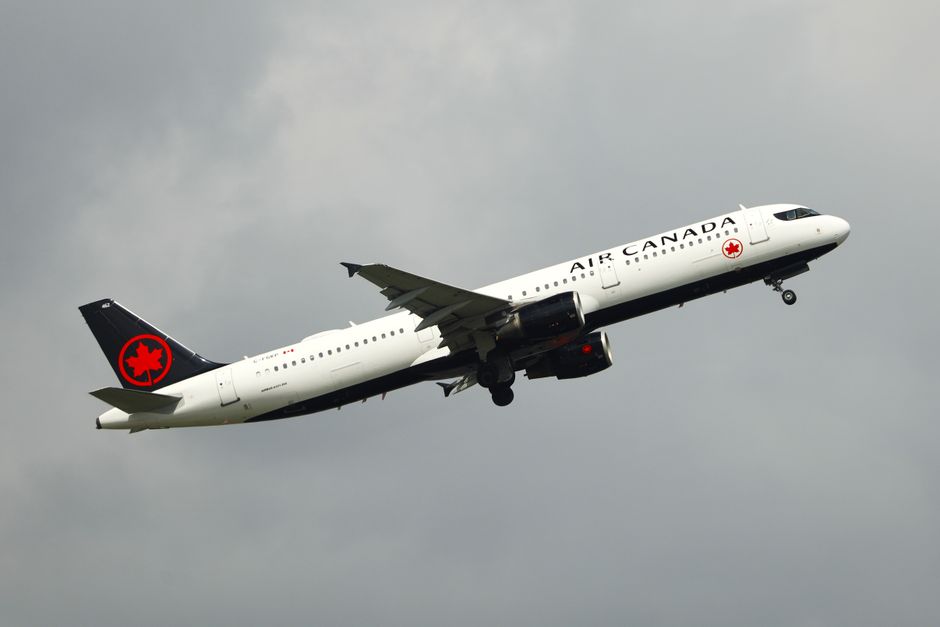
Air Canada flight 743, an Airbus A320, departed Toronto Pearson International Airport bound for San Francisco International Airport. The flight was most of the way to its destination when the aircraft's number one engine started producing heavy vibration and stalling. Making matters worse, smoke and fumes began seeping into the cabin, where passengers were seated unaware of just how serious the situation had become.
Pilots stay calm under pressure
Recently surfaced audio from the flight captures just how composed the pilots remained as the emergency unfolded. Facing a failing engine and a smoke-filled cabin, the crew made the call to shut the troubled engine down entirely and alert air traffic control to their situation.
"We had an engine stalled followed by an engine failure with smell of smoke. So we shut down the engine. So there is a potential damage of the engine," the pilot can be heard explaining calmly on the recording, despite the gravity of flying a fully loaded passenger jet on reduced power.
Declaring "Mayday" is the most serious distress call a pilot can make, signalling to air traffic controllers that lives are potentially at risk and prompting an immediate coordinated response. In this case, it triggered emergency crews to be staged and ready at San Francisco International Airport as the crippled aircraft made its approach.
A safe landing, thanks to skilled flying
Rather than attempting a risky visual landing, the pilots lined up the aircraft for an instrument-assisted approach into San Francisco Airport's runway 28R, a method that relies on cockpit instrumentation to guide the plane down safely, especially useful when a pilot needs precision under stress. The approach worked. The Airbus A320 touched down safely and was immediately met by emergency response crews on the tarmac, standard procedure any time a Mayday has been declared.
No injuries were reported among the passengers or crew, a testament to how well the pilots handled a genuinely dangerous mechanical failure thousands of feet in the air.
Back in service days later
The aircraft was pulled from service immediately following the emergency landing so maintenance crews could inspect and address the engine damage. After repairs, it was cleared and returned to active service on August 5, just five days after the incident.
Air Canada has not yet issued a public comment on what exactly caused the engine failure, and outlets have reached out to the airline for more details on the mechanical issue behind the scare.
Engine failures on commercial flights are rare, and incidents that escalate to a full Mayday call are rarer still. This one is a reminder of just how much training and composure goes into keeping passengers safe when something does go wrong at 30,000 feet.
Source: blogTO