Waking Up To A Stranger's Life
When Stan Dworkowski opened his eyes after eight days in a coma, he didn't know how old he was. He couldn't place the faces of people who had known him for years. His body told the story his mind couldn't: 24 broken ribs and a fractured skull, the kind of injuries that come from a serious impact, not a bad fall down the stairs.
The Alberta man, from the Nisku area south of Edmonton, has no memory of what happened to him or how he ended up so badly hurt. That gap has become the defining fact of his recovery. Where most people healing from a traumatic brain injury focus on relearning basic function, Dworkowski has taken on a second project: figuring out what actually happened to him.
Walking The Route Back
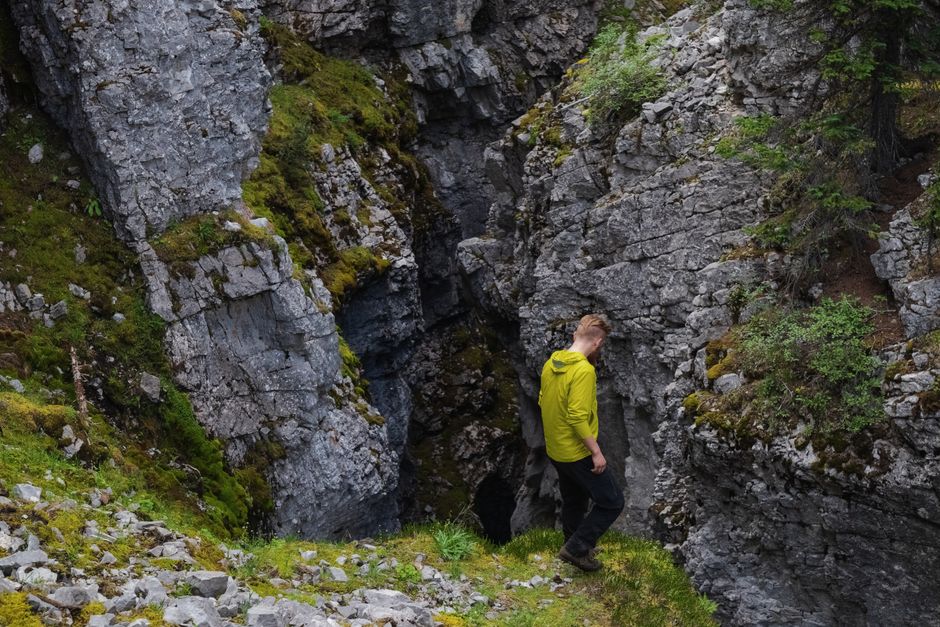
Without a clear account from witnesses or a police explanation that satisfies him, Dworkowski has started retracing his own steps physically, walking the paths and areas he would have passed through before he was found injured. He has said plainly that he needs to know what happened, treating the walk less as sightseeing and more as an attempt to trigger some kind of recognition in a brain that has otherwise locked the memory away.
Traumatic brain injuries can erase the period immediately before and after the event that caused them, a phenomenon doctors call retrograde and anterograde amnesia. It's common, but that clinical explanation doesn't make it easier to live with when you're the one missing pieces of your own life. Relearning who your friends are, and not being able to answer the basic question of what happened to you, is its own kind of injury on top of the physical one.
Why This Story Matters Beyond Alberta
Stories like Dworkowski's resonate well past provincial lines because they touch something universal: the fear of losing control over your own narrative. Brain injury survivors across the country describe similar struggles, piecing together fragmented timelines with the help of family, medical records, and in Dworkowski's case, his own two feet retracing pavement he can't consciously remember walking.
His case also raises questions worth Canadians paying attention to more broadly: how thoroughly incidents that lead to serious, unexplained injuries get investigated, and what support systems exist for survivors trying to reconstruct answers on their own. For now, Dworkowski's search continues, step by step, in the hope that his body might remember what his mind will not.
Source: CBC News