A Complicated Split
As talk of Alberta separation continues to simmer in some corners of Canadian politics, a practical question keeps coming up: if Alberta ever did become its own country, how would it actually get its oil to market? According to a new analysis from CBC News, the answer is that most of an independent Alberta's crude would still need to travel through the very provinces it separated from, or through the United States, before reaching international buyers.
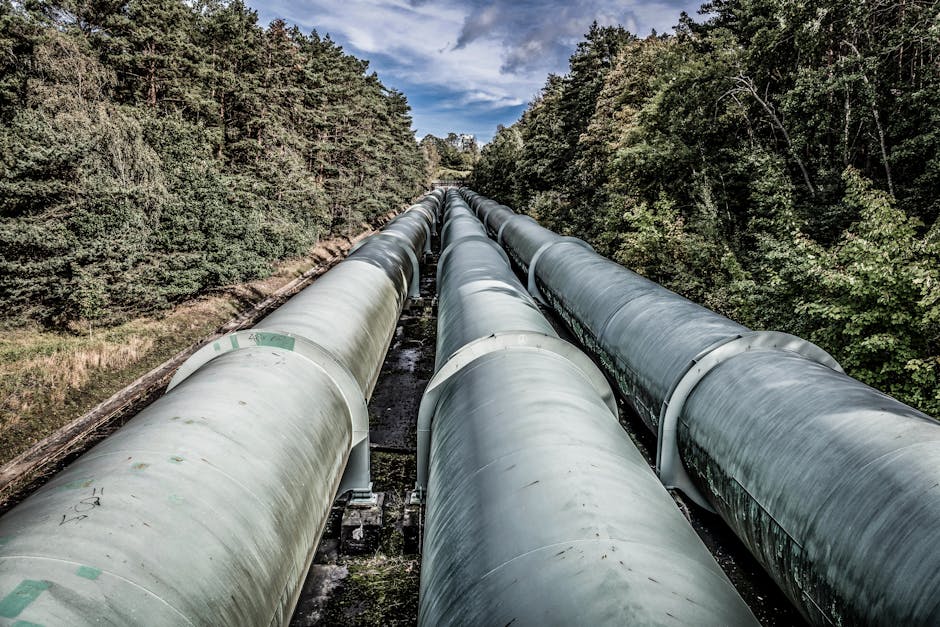
Canada's major pipeline infrastructure, including lines like the Trans Mountain expansion and Enbridge's Mainline system, was built to move landlocked Alberta crude across provincial and international borders to coastal ports and refineries. That infrastructure doesn't disappear if Alberta's political status changes. Pipes still run through British Columbia, Saskatchewan, Manitoba, Ontario, and Quebec on their way to export terminals or U.S. refineries.
Why Geography Still Rules
Experts cited in the report note that pipelines are enormously expensive and slow to build, and rerouting Alberta's oil around the rest of Canada simply isn't realistic in any near-term scenario. That means an independent Alberta would almost certainly need to negotiate new transit agreements with Canada, and possibly with the U.S., to keep its oil moving the way it does today.
That's where things get complicated. Trade and transit agreements between sovereign nations aren't guaranteed just because pipelines already exist on the ground. Tariffs, tolls, environmental regulations, and geopolitical leverage could all become negotiating chips. A newly independent Alberta could find itself needing Ottawa's cooperation just as much as, if not more than, it does today as a province.
What It Means for the Rest of Canada
For provinces like Ontario, which sit along key pipeline and rail corridors, the analysis is a reminder of how interconnected Canada's energy infrastructure really is. Even hypothetical scenarios involving Western separation ripple outward, touching questions about energy security, cross-border trade relationships, and the cost of goods that rely on refined petroleum products moving through the national network.
While Alberta separation remains a fringe political position rather than an active policy push, the pipeline question underscores just how tightly bound the provinces are, economically and physically, regardless of political rhetoric. Any serious separation talk would need to reckon with decades of built infrastructure that doesn't respect hypothetical new borders.
For now, experts say, the scenario remains largely theoretical. But it's a useful illustration of why Canada's provinces, even amid political friction, remain deeply dependent on one another's cooperation to keep energy, and the economy, moving.
Source: CBC News