A Familiar Fight, With a New Twist
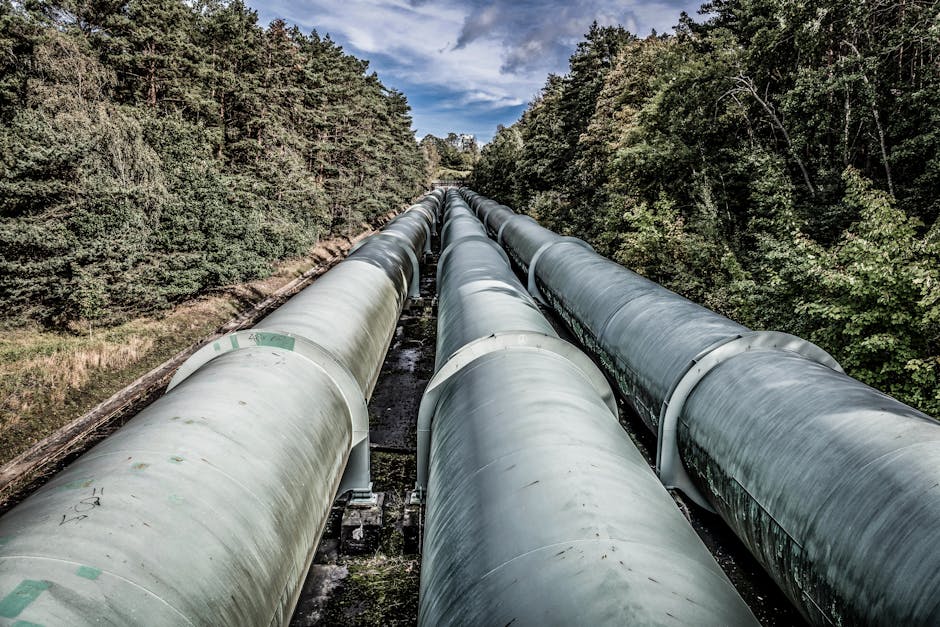
Alberta is back at the table with a fresh pipeline proposal aimed at getting more oil to the West Coast, and it's already running into the same kinds of obstacles that have dogged Canadian energy projects for years.
The new plan is being pitched as essentially a duplicate of the Trans Mountain expansion that was completed in 2024, running a similar path through southern British Columbia toward the coast. But there's a key difference: instead of ending at the existing terminal, the proposed route diverts to a different terminal in the Fraser Valley. That seemingly small change is turning out to be anything but simple.
Why the Fraser Valley Detour Matters
Rerouting to a new terminal means new environmental assessments, new consultations, and new scrutiny, essentially resetting much of the regulatory clock that Trans Mountain took over a decade to work through. Seismic risk is one of the first concerns being raised. The Fraser Valley sits in a region where earthquake activity is a genuine engineering consideration, and any new terminal infrastructure will need to prove it can withstand that risk before construction can even be seriously discussed.
Environmental concerns are also resurfacing, much as they did during the Trans Mountain fight. Waterways, sensitive ecosystems, and the cumulative impact of increased tanker traffic near a new terminal location are all likely to draw close attention from regulators and advocacy groups alike.
First Nations Consultation Front and Centre
Perhaps the most consequential hurdle is the question of First Nations consultation. Canadian pipeline projects have repeatedly hit legal and political turbulence when Indigenous communities affected by a route weren't adequately consulted, or objected outright to the project moving forward. A new terminal location in the Fraser Valley likely means engaging with communities that may not have been part of the original Trans Mountain consultations, effectively requiring the federal and provincial governments to build new relationships and address new concerns from scratch.
What It Means for the Bigger Picture
For Alberta, the pipeline push is about expanding market access for its oil beyond the U.S., a long-standing goal that drove the original Trans Mountain expansion. But this new proposal is a reminder that even a project modeled closely on a predecessor doesn't get to skip the hard parts. Seismic studies, environmental review, and nation-to-nation consultation with Indigenous groups are not boxes to check quickly. They're processes that shaped years of delay and cost overruns on Trans Mountain itself.
Whether this new route can avoid a repeat of that timeline remains to be seen. For now, the pipeline debate that many Canadians thought was settled with Trans Mountain's completion is clearly not over. It's just moved slightly further down the map.
Source: CBC News