The mall time forgot, and Ontario shoppers love it
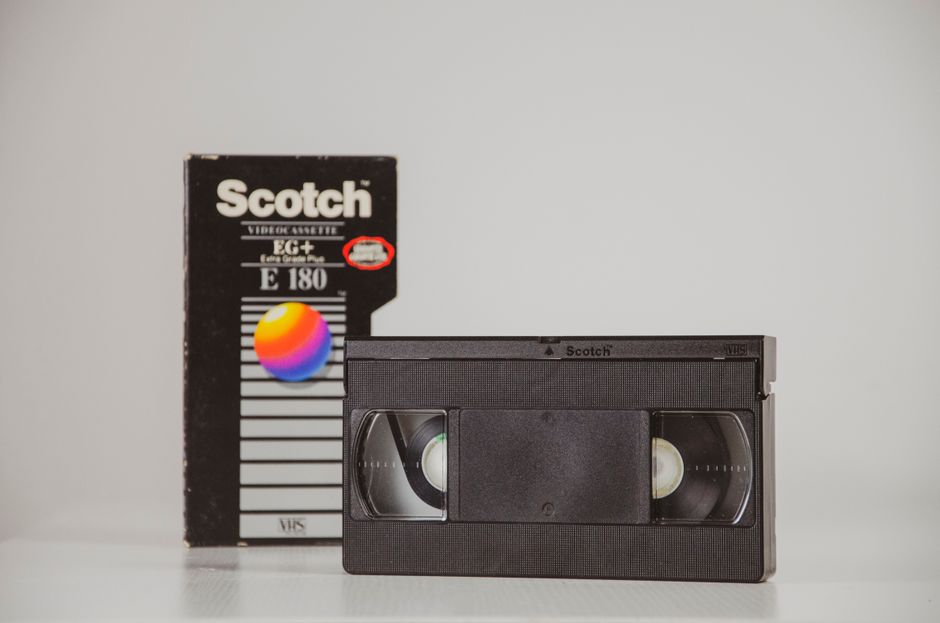
Step into "Strickly Nostalgia," a shop tucked inside a 1990s-style mall in Hanmer, Ontario, and you'll find shelves lined with VHS tapes, CDs, cassettes, and board games rather than a single streaming login screen in sight. It's a small business built entirely on the idea that some people just don't want their entertainment locked behind a subscription anymore.
And it turns out plenty of Canadians agree. Researchers studying the shift say the appeal isn't just about looking cool or being ironic. It comes down to something simpler: people want to hold onto what they own.
Streaming fatigue meets the comeback of physical media
For years, streaming platforms promised convenience: thousands of movies, shows, and albums available instantly, no shelf space required. But that convenience has a catch. Titles vanish from libraries without warning, subscription costs keep climbing, and the sense of actually owning anything has all but disappeared.
That frustration is fueling what researchers are calling the "slow media" movement, a term borrowed from the slow food and slow fashion trends that reward patience and permanence over speed and disposability. Instead of scrolling endlessly through algorithm-driven menus, shoppers are hunting through bins of tapes and discs, buying something they can put on a shelf and know will still be there tomorrow.
It's not just nostalgia, it's about control
Experts point to a few forces driving the trend. Pop culture has leaned hard into nostalgia in recent years, from movie reboots to retro-style video games, priming audiences to romanticize the analog era even if they didn't grow up in it. But there's also a practical, almost rebellious motivation at play: owning a physical copy means no streaming service can quietly pull it from a catalogue or push a price hike halfway through the year.
There's a tactile pull too. Popping a cassette into a deck or flipping through a stack of DVDs offers a different kind of experience than clicking play on a screen, one that engages the hands and feels less like being just another data point being tracked and monetized.
A small business built on a big cultural shift
For a shop like Strickly Nostalgia, this isn't a passing fad, it's a business model. Customers aren't just window shopping for kitsch value, they're actively building collections again, the same way earlier generations built up shelves of records and VHS tapes.
It's a reminder that even in an era dominated by digital everything, plenty of Canadians are voting with their wallets for something a little slower, a little more tangible, and entirely their own. Whether that's a sign of a broader cultural correction against subscription fatigue or simply a niche revival remains to be seen, but for now, the analog aisle is busier than it's been in years.
Source: CBC News