A Case That's Been Quietly Unfolding
A Quebec man who was charged last year with facilitating a terrorist activity is no longer serving in the Canadian Armed Forces (CAF), according to CBC News. While details of his current legal proceedings remain limited, the update marks a significant development in a case that has drawn attention to the intersection of national security and military service in Canada.
The man, whose military status has now been confirmed as terminated, was charged under Canada's Criminal Code provisions related to terrorism financing and facilitation, some of the most serious national security offences on the books. Facilitating terrorist activity involves knowingly helping enable an act of terrorism, even without direct participation in carrying it out.
What We Know So Far
Canadian Armed Forces members are subject to both civilian criminal law and the military justice system, which means a charge like this can trigger parallel processes: a criminal prosecution through the civilian courts, and administrative or disciplinary action within the CAF itself. His departure from the military suggests the latter has already run its course, even as the criminal case may still be working through the justice system.
The Canadian Armed Forces has not detailed the exact circumstances of his release from service, and specifics about his rank, unit, or length of service have not been widely published. National security cases involving current or former military members tend to move cautiously through the courts, with publication bans and staged disclosures common to protect the integrity of proceedings.
Why It Matters Nationally
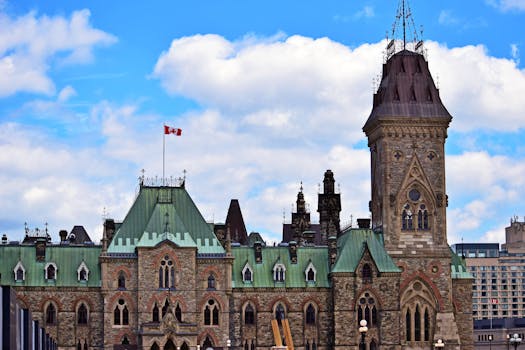
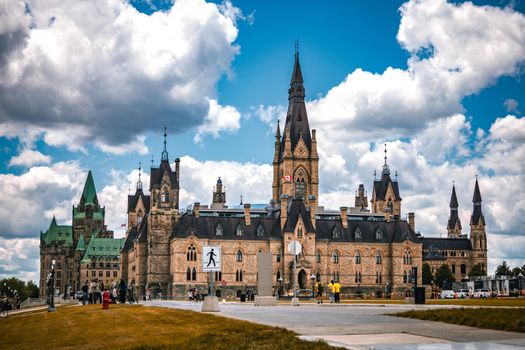
Cases like this one raise questions that resonate well beyond Quebec, including here in the National Capital Region, home to the Department of National Defence headquarters and Canadian Forces headquarters buildings. Ottawa is where national security policy, military oversight, and CAF administrative decisions are ultimately shaped, even when the individuals and incidents at the center of a case are based elsewhere in the country.
Incidents involving CAF members and national security charges, however rare, tend to prompt broader conversations about vetting processes, radicalization risks within institutions, and how the military handles service members facing serious allegations. Federal officials in Ottawa have previously acknowledged the challenge of balancing swift administrative action with the presumption of innocence during active criminal proceedings.
What's Next
As the criminal case continues, more details are likely to emerge about the timeline of events, the nature of the alleged facilitation, and how the CAF responded internally. For now, the confirmation that he's no longer a member of the Armed Forces closes one chapter of the story, even as the legal proceedings continue.
This story will be updated as more information becomes available.
Source: CBC News