Fire Conditions Expected to Worsen
British Columbia is bracing for what officials are calling "explosive and extremely dangerous" wildfire conditions as a stretch of hot, dry, and windy weather moves through the province this week. Fire crews and emergency management teams are on high alert, warning that existing blazes could grow rapidly and new ignitions could spread out of control in a matter of hours.
According to provincial officials, the combination of low humidity, high temperatures, and gusty winds creates a volatile mix that can turn a manageable fire into a fast-moving, unpredictable threat. Firefighters are being repositioned to areas considered most at risk, and residents in fire-prone regions are being urged to stay alert to evacuation alerts and orders as conditions shift.
Why This Matters Beyond B.C.
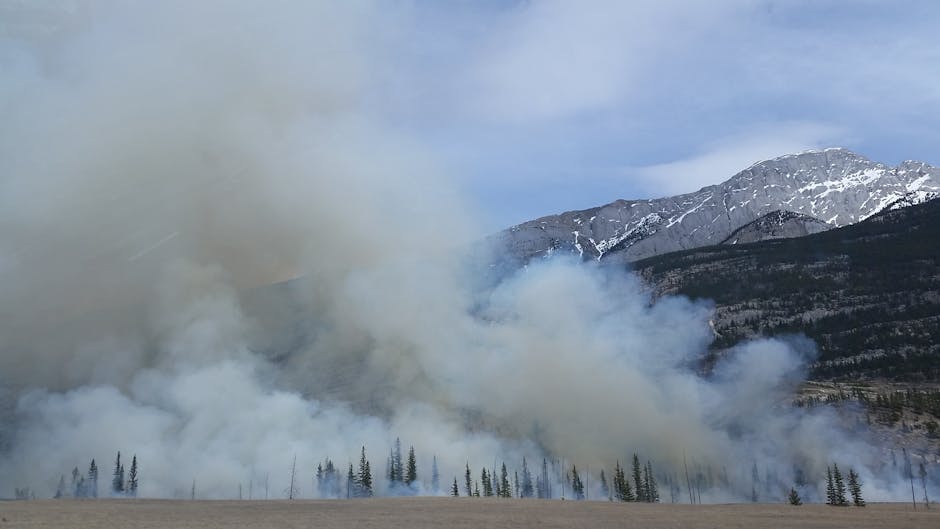
Wildfire seasons in Western Canada have increasingly become a national concern, not just a regional one. Smoke from major B.C. fires routinely drifts thousands of kilometres east, affecting air quality as far away as Ontario and even the eastern United States. In past fire seasons, smoke plumes originating in British Columbia and the Prairies have triggered air quality advisories in cities across the country, a reminder that what happens on the west coast doesn't stay there.
The federal government has also increasingly stepped in during severe wildfire seasons, coordinating additional firefighting resources, military support for evacuations, and emergency funding for affected communities. When provincial resources are stretched thin, as is often the case during peak summer conditions, that federal coordination becomes critical to protecting lives and property.
What Officials Are Watching
Emergency management officials say the coming days will be a key test of how quickly fire behaviour can escalate under the current conditions. They're monitoring:
- Wind shifts that could push fires toward populated areas
- Lightning activity, a common cause of new fire starts in dry conditions
- Humidity levels, which affect how easily vegetation ignites and burns
Residents in and near fire-affected zones are being advised to have evacuation plans ready, keep emergency kits accessible, and monitor official alerts rather than relying on social media rumours during fast-moving situations.
The Bigger Picture
This warning comes amid a broader pattern of increasingly severe and unpredictable wildfire seasons across Canada, with British Columbia, Alberta, and parts of the Prairies bearing the brunt in recent years. Climate researchers have repeatedly pointed to longer, hotter, and drier summers as a driver of these intensifying conditions, a trend that has pushed wildfire response higher up the list of national priorities.
For now, all eyes are on British Columbia as officials work to keep crews and communities ahead of a fire situation that could change quickly. Canadians across the country are likely to feel the effects, whether through smoke-filled skies, air quality warnings, or national resource allocation, in the days ahead.
Source: CBC News