A Waterfront Win, Years in the Making
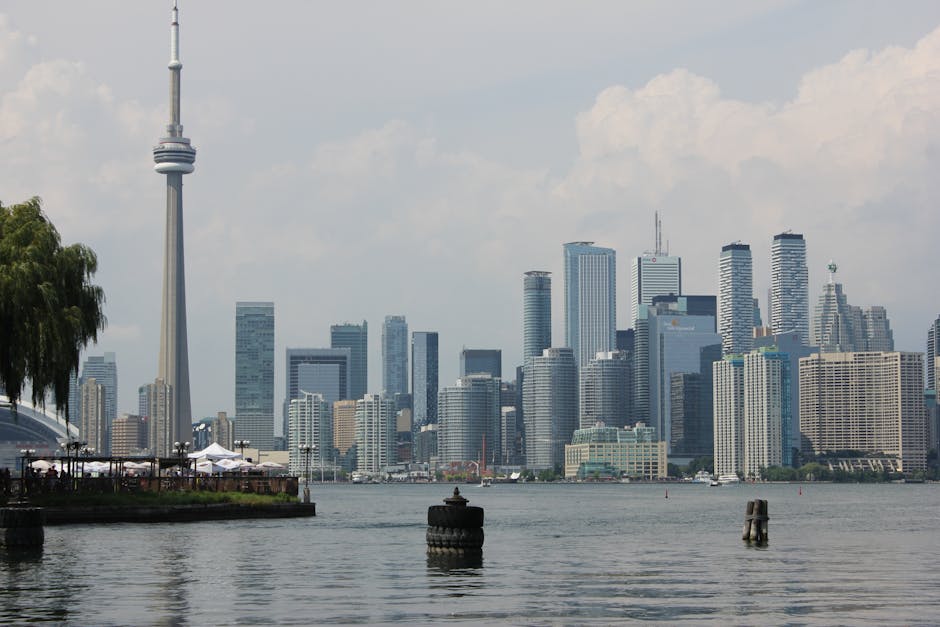
Hundreds of Toronto residents and community advocates poured onto the city's waterfront to celebrate after the federal government rejected support for a long-debated proposal that would have allowed jets to operate out of Billy Bishop Airport, located on the Toronto Islands just off the downtown core.
The plan, pushed by the airport's operators and Porter Airlines, would have paved the way for larger jet aircraft to use the compact downtown airstrip, which currently caps out at turboprop planes. Supporters argued it would boost connectivity and competition. Opponents, including residents living along the harbourfront, environmental groups, and waterfront advocacy organizations, warned it would mean louder, more frequent flights over one of the city's most densely populated and rapidly growing residential areas.
Why Ottawa's Decision Matters
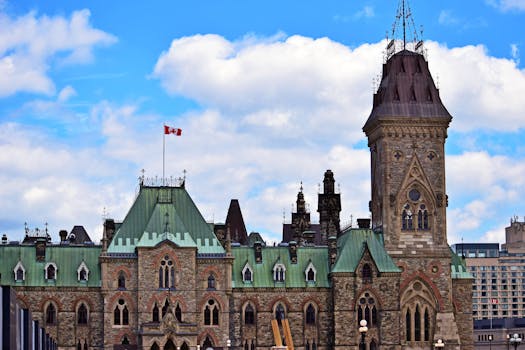
While the fight played out on Toronto's waterfront, the final call rested with the federal government in Ottawa. Transport Canada and federal officials weighed in on whether to support amendments to the Tripartite Agreement, the deal between the City of Toronto, the Toronto Port Authority, and the federal government that governs what can and can't fly out of the island airport.
By declining to back the expansion, the feds effectively kept the airport's jet ban in place, siding with the residents and advocacy groups who have spent years lobbying against the change. It's a reminder that even hyper-local disputes over noise and development in Toronto ultimately get settled through decisions made in the nation's capital.
Celebrations on the Harbourfront
Crowds gathered near the waterfront to mark the news, with many advocates describing it as a hard-won victory after nearly two decades of on-and-off battles over the airport's future. The debate over Billy Bishop has flared up repeatedly since the mid-2000s, with jet proposals surfacing and then stalling amid public pushback each time.
For residents in neighbourhoods like CityPlace, the waterfront condos, and the Toronto Islands themselves, the decision means the status quo, smaller turboprop planes with lower noise levels, stays in place for the foreseeable future.
What's Next
While this rejection closes the door on the current expansion push, airport advocates and Porter Airlines could attempt to revive similar proposals down the road. For now, though, opponents are treating this as a decisive win, and a sign that federal decision-makers were ultimately swayed by community opposition over industry lobbying.
The episode also underscores how often decisions affecting Canadian cities, from airports to infrastructure, trace back to federal offices in Ottawa, even when the impact is felt hundreds of kilometres away on a Toronto shoreline.
Source: CBC News