A Scare That Wouldn't Fade
A group of Calgary parents is going public with a warning for hockey families across the country: the ice rink your kid plays on could be filling with carbon monoxide, and you might never know it.
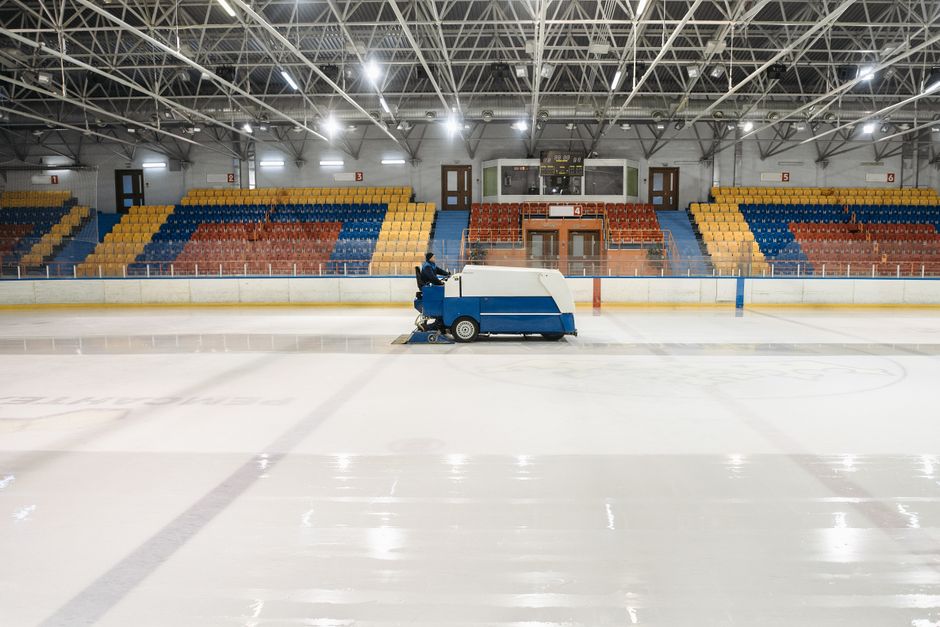
The parents say their children were exposed to dangerously high levels of the odourless, colourless gas during a weekend hockey tournament nearly two years ago. Carbon monoxide is produced by fuel burning equipment, and in arenas it commonly comes from ice resurfacing machines like Zambonis or from poorly vented heating systems. Because the gas has no smell and no colour, people inside a rink can be exposed for hours with no obvious warning signs beyond headaches, nausea or dizziness, symptoms that are easy to write off as fatigue after a long tournament day.
Why It Happens
Arenas are enclosed, often poorly ventilated spaces, and propane powered ice resurfacers can produce carbon monoxide as a byproduct of combustion. When ventilation systems are inadequate, undersized, or not properly maintained, the gas can build up to hazardous concentrations, especially during busy tournament weekends when the ice gets resurfaced repeatedly and the building fills with spectators, players and staff for hours at a stretch.
The Calgary parents say their experience exposed real gaps in how arenas monitor air quality and how quickly problems get flagged when something goes wrong. They are now speaking out to push municipalities and rink operators toward mandatory carbon monoxide detection systems, regular equipment inspections, and clearer protocols for evacuating and testing a building if exposure is suspected.
A Nationwide Concern
While this incident happened in Calgary, the parents' message is aimed at every community with an ice rink, which is to say most of Canada. Hockey is played in arenas from coast to coast, many of them decades old, and the equipment and ventilation standards in older buildings vary widely by province and even by individual facility. The parents argue that safety shouldn't depend on luck or on whichever municipality happens to have stricter bylaws.
Health officials generally recommend carbon monoxide detectors as a baseline safety measure in any enclosed space with fuel burning equipment, and some jurisdictions already require them in arenas. But enforcement and inspection frequency differ from rink to rink, which is part of what the parents are hoping to change through public pressure and advocacy.
What Families Can Watch For
For parents dropping kids off at hockey practices or tournaments, the warning signs of carbon monoxide exposure are worth knowing: headaches, dizziness, nausea, confusion or unusual fatigue in multiple people at the same event can point to something wrong with the air rather than just a tough game. Advocates say arenas should have working detectors and a clear plan to evacuate and ventilate if alarms sound, and families should feel comfortable asking rink staff about when equipment was last inspected.
The Calgary parents say they don't want their experience to be an isolated story. They want it to be the reason another family never has to go through the same thing.
Source: CBC News