A bridge years in the making, and a deal shrouded in mystery
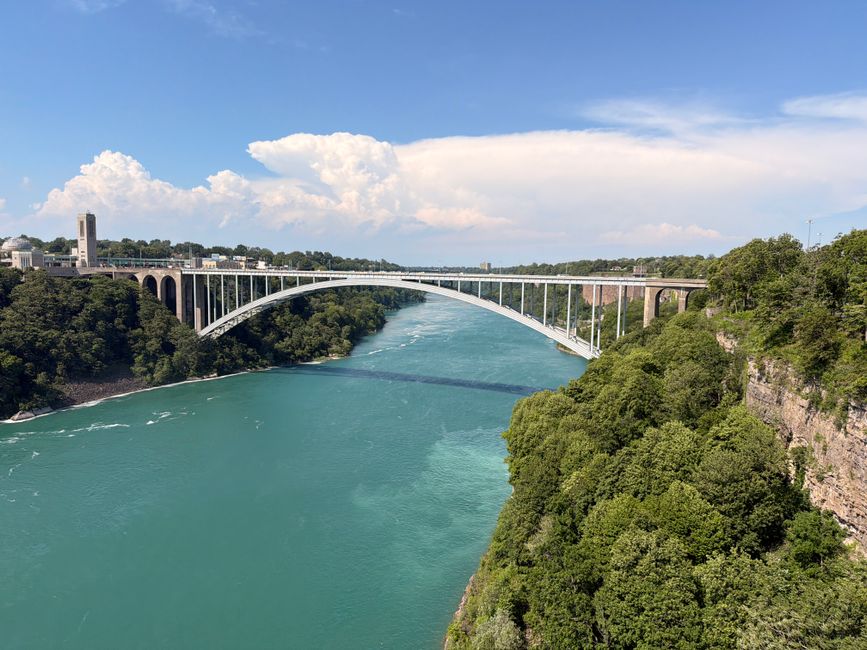
After years of delays, cost overruns, and cross-border wrangling, the Gordie Howe International Bridge connecting Windsor, Ontario to Detroit, Michigan finally has a path to opening, but the terms of the agreement that got it there are drawing sharp criticism from opposition MPs in Ottawa.
Prime Minister Mark Carney's government has confirmed that Canada and the United States reached a deal to move forward with the bridge's opening, but has so far declined to release the full text of the agreement. That silence has frustrated MPs across party lines, who argue that a project of this scale and cost, funded almost entirely by Canadian taxpayers, deserves full transparency.
Why MPs are pushing back
Several opposition members have called on the government to table a copy of the agreement in the House of Commons, pointing out that Canadians have already footed the bill for construction and have a right to know what commitments were made to secure the bridge's opening. Questions include whether Canada made any financial or regulatory concessions to the U.S. side, what toll-sharing arrangements look like, and whether there are conditions attached that could affect future cross-border trade policy.
The criticism comes at a sensitive moment for the Carney government, which has faced ongoing scrutiny over its handling of Canada-U.S. relations amid broader trade tensions. For a government that has staked much of its credibility on steady, competent management of the Canada-U.S. file, the appearance of a closed-door deal: even one that delivers a genuinely positive outcome like a new border crossing, risks feeding narratives about a lack of accountability.
What the bridge means for Canada
The Gordie Howe Bridge is the single largest infrastructure investment at the Canada-U.S. border, designed to ease congestion at the Ambassador Bridge, currently the busiest commercial crossing in North America. Windsor-Detroit trade accounts for a significant share of Canada's total trade with the United States, carrying everything from auto parts to agricultural goods. A functioning, efficient crossing is seen as critical to Ontario's manufacturing sector and to the broader Canadian economy, particularly as supply chains remain strained by years of tariff disputes and shipping bottlenecks.
Given the bridge's economic weight, opposition MPs argue the stakes are too high for Canadians to be kept in the dark about how the opening deal was actually negotiated. Some have suggested the lack of disclosure could be a preview of how future cross-border agreements, including any related to ongoing tariff negotiations, might be handled, raising concerns about a pattern of limited parliamentary oversight on U.S. relations.
What happens next
The government has not committed to a timeline for releasing further details, though pressure from the House of Commons is expected to continue as the bridge's opening date approaches. For now, Canadians eager to see the new crossing finally open will have to wait not just for the ribbon-cutting, but for clarity on exactly what was promised to get there.
Source: CBC News