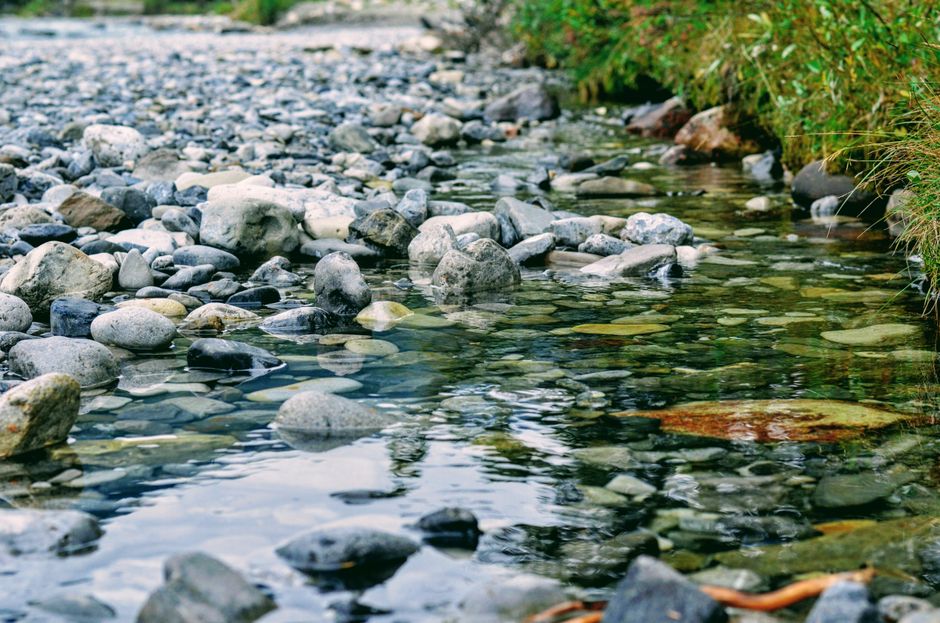
What's really swimming beneath the surface
Next time you walk past a river in Canada, there's a lot more going on beneath that murky surface than you'd guess. Scientists across the country are using techniques like electrofishing (a method that uses a mild electrical current to briefly stun fish so they can be counted and released) and DNA sampling to figure out exactly what species are living in our freshwater systems, and the picture that's emerging is more diverse, and more fragile, than most Canadians realize.
Researchers are turning up everything from mottled sculpins, small bottom-dwelling fish with mottled camouflage that hide among rocks, to mayfly nymphs, the underwater larval stage of the short-lived flying insects anglers know well. These species might not be flashy, but they're essential indicators of river health, the kind of creatures that vanish quietly when water quality declines, long before the problem becomes obvious to the rest of us.
Why scientists are sounding the alarm
The push to document these species comes from a real concern: freshwater ecosystems are seeing biodiversity loss at rates that often outpace what's happening on land or in oceans, yet they get a fraction of the public attention. Many freshwater species are small, unglamorous, and easy to overlook, which means their decline can happen almost invisibly. Researchers argue that if we don't know what's living in our rivers in the first place, we have no real way to track what we're losing.
DNA sampling, collecting water samples and analyzing the genetic material shed by organisms living in it, has made this kind of monitoring far more efficient. Instead of physically capturing every species, scientists can now get a snapshot of an entire aquatic community from a single water sample, making it possible to survey far more rivers than traditional methods ever allowed.
An Ottawa connection worth knowing
Ottawa residents don't have to look far to find the kind of ecosystem this research is about. The Rideau River and Ottawa River both wind through the city, supporting their own communities of fish, insects, and other aquatic life that follow the same patterns researchers are documenting nationally. The techniques described, electrofishing surveys and DNA-based monitoring, are the same tools used across Ontario's waterways to track fish populations and flag early signs of pollution or habitat stress.
Why this matters beyond the science community
Understanding what lives in our rivers isn't just an academic exercise. Healthy freshwater ecosystems support drinking water quality, recreational fishing, and the broader food web that connects rivers to the land around them. Scientists say raising public awareness of these "invisible" species is part of the goal: the more people understand what's actually living in the water near them, the more likely communities are to support the conservation efforts needed to protect it.
As research continues, expect to hear more about the small creatures, sculpins, mayflies, and countless others. That quietly signal whether Canada's rivers are thriving or in trouble.
Source: CBC News