A deal made before the checks were done
Canada's push to acquire six GlobalEye surveillance aircraft moved forward without assurances that the planes actually met the military's operational requirements, according to reporting from CBC. Those requirements were also never shared with the manufacturers competing for the contract, raising questions about how the decision was reached.
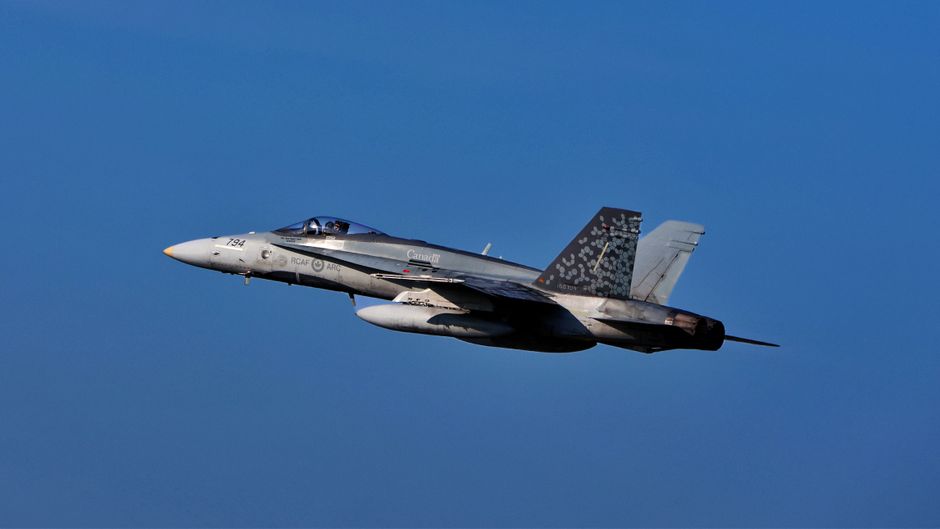
GlobalEye, built by Swedish defence firm Saab, is designed to give the Royal Canadian Air Force airborne surveillance capability, tracking aircraft, ships and other activity over long distances. It's meant to replace aging surveillance systems and give Canada a modern set of eyes in the sky.
Gaps found after the fact
The trouble is that assessments carried out after the acquisition decision identified capability gaps in the aircraft, meaning modifications will now be needed to bring it up to what the military actually requires. That sequence, buying first and checking second, is at the centre of the concern: normally a defence procurement would confirm operational fit before committing billions of dollars, not after.
Critics say the process raises a bigger question about the Carney government's priorities. Speed, domestic jobs and industrial benefits appear to have factored heavily into the decision, and the worry is that those goals took precedence over making sure the military actually gets equipment that meets its needs.
Why it matters beyond the sticker price
Military procurement in Canada has a long history of delays, cost overruns and second-guessing, from fighter jets to naval ships. A surveillance fleet that needs retrofitting before it can do its job adds to that pattern, and it puts pressure on the government to explain how the requirements process worked, and why competitors bidding for the contract weren't given the same information used to judge the winning proposal.
For now, the modifications needed to close the capability gaps haven't been detailed publicly, nor has a cost or timeline for fixing them. The acquisition remains a live file in Ottawa, and it's likely to draw further scrutiny from opposition MPs and defence watchers as more details come out.
Source: CBC News