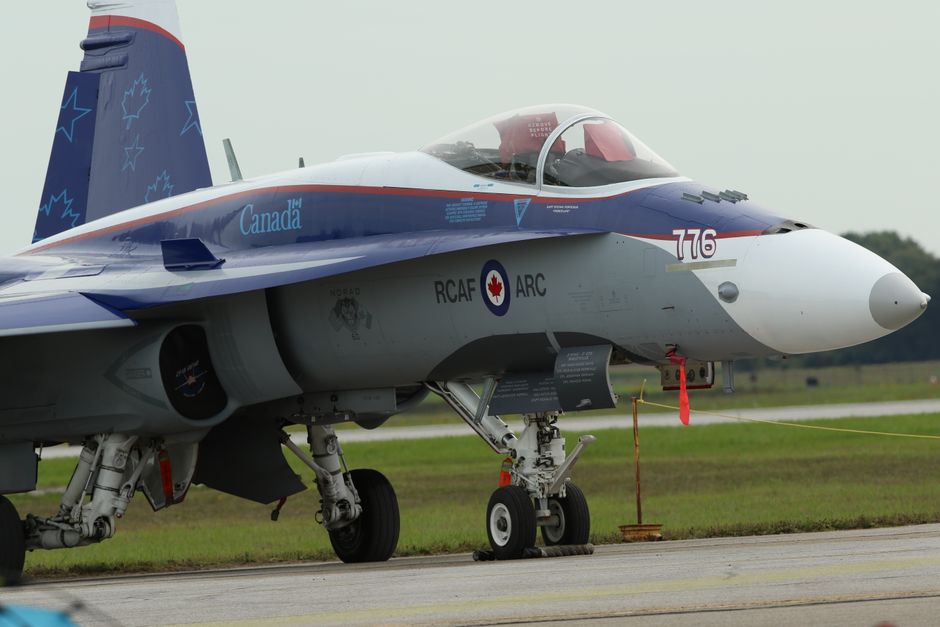
Canada takes a seat at the table
Canada has signed on as the first observer nation of the Global Combat Air Programme (GCAP), a joint effort by the United Kingdom, Italy, and Japan to build a sixth-generation stealth fighter jet by 2035. The announcement marks a significant step for Canada's defence policy, positioning the country closer to some of its key NATO and Indo-Pacific allies at a moment when air power capabilities are being rapidly reshaped by new technology.
What observer status actually means
Becoming an observer doesn't commit Canada to buying the jets or funding the program outright. Instead, it gives Canadian defence officials and industry a front-row seat to the program's development, allowing them to track progress, build relationships with program partners, and better understand where the technology is headed. It's widely seen as a preliminary step that could pave the way for deeper involvement down the road.
Room to grow into a full partner
Speaking with CBC News, the commander of the Royal Canadian Air Force said "it's feasible to imagine a world" where Canada becomes a full partner in the program and eventually purchases the aircraft once it's operational. That kind of language suggests Ottawa isn't ruling out a much bigger commitment in the years ahead, even if no formal decision has been made yet.
Why a sixth-generation jet matters
Sixth-generation fighter jets are expected to go well beyond the stealth and sensor capabilities of current fifth-generation aircraft like the F-35, incorporating advanced networking, artificial intelligence-assisted systems, and the ability to operate alongside autonomous drone "wingmen." Countries investing early in these programs are essentially betting on what aerial combat and deterrence will look like decades from now, making early involvement valuable both strategically and industrially.
The bigger picture for Canadian defence
The timing is notable. Canada has faced ongoing scrutiny over its defence spending and procurement track record, including the long and complicated road to acquiring F-35 fighter jets from the United States. Joining GCAP as an observer gives Canada a lower-risk way to diversify its options and keep its aerospace and defence sector plugged into next-generation technology, without locking in a major financial commitment just yet.
For Canadian industry, particularly aerospace suppliers and engineering firms, even observer-level involvement can open doors to research partnerships and future contract opportunities as the program matures toward its 2035 target.
What comes next
No timeline has been set for when Canada might decide whether to move from observer to full partner status. For now, the government appears content to watch, learn, and keep its options open as the U.K., Italy, and Japan push the program forward.
Source: CBC News