A Name Older Than the Country Itself
Most Canadians say "Ontario" every day without thinking twice about where the word actually comes from. It turns out the name has nothing to do with British settlers, French explorers, or any colonial official. According to CBC, the name has deep roots in multiple First Nations languages, and it has survived hundreds of years of colonial history largely intact.
Rooted in Indigenous Languages
Linguists and historians trace "Ontario" back to Indigenous words describing the lake itself, most commonly linked to Haudenosaunee (Iroquoian) language roots meaning something along the lines of "great lake" or "beautiful lake." Different Indigenous nations along the shores of the lake, including Wendat and Haudenosaunee communities, had their own names and understandings of the water long before European mapmakers began drawing the Great Lakes on paper.
When French explorers and traders arrived in the region, they adapted the Indigenous name they heard from local nations rather than inventing a new one. That borrowed word eventually became the name of the lake, and later the name of the entire province.
Why This Matters Today
It is easy to assume that place names across Canada were simply handed down by European settlers, but Lake Ontario's name is a reminder that a huge amount of this country's geography is still described using Indigenous words, even if most people never learned the original meaning in school. The name has outlasted French colonization, British rule, and Confederation itself.
For a province of more than 15 million people, many of whom live within a short drive of the lake's shoreline, that history carries some weight. The words we use every day for our cities, rivers, and lakes often carry a much longer memory than official Canadian history books tend to acknowledge.
An Ottawa Connection
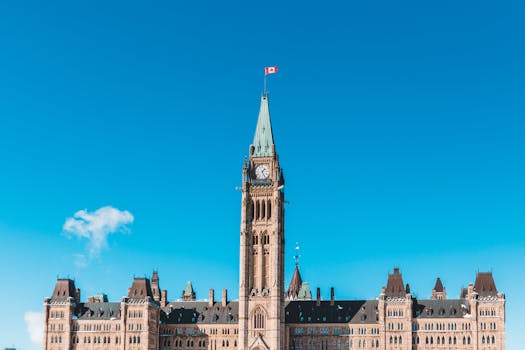
Ottawa sits well north of Lake Ontario, but the capital is still shaped by the same layered linguistic history. The Ottawa River itself takes its name from the Anishinaabe people, and many place names across the National Capital Region, from Rideau to Gatineau to Chaudière, blend Indigenous, French, and English influences in the same way Lake Ontario does. Understanding where "Ontario" comes from is really a small window into a much bigger pattern that shows up across the province, including in the region Ottawa residents call home.
The Bigger Picture
As more communities across Canada work to acknowledge and restore Indigenous place names, stories like this one are a useful starting point. It costs nothing to learn the origin of a word said constantly, and it adds a layer of understanding to a place many Canadians only think of as a line on a map or a name on a license plate.
Source: CBC News