A brutal stretch of heat in the Fraser Canyon
Canada's hottest reading of the year has landed in Lytton, British Columbia, where temperatures soared to 41 C this week. It's the second consecutive day the small Fraser Canyon community has topped 40 degrees, making it the site of the two hottest temperatures recorded anywhere in the country so far in 2026.
The heat wave gripping southern British Columbia has turned the Fraser Canyon into one of the most extreme hot spots in the country, with the region's steep valley walls and dry conditions helping trap and intensify the heat. For a community that has already lived through devastating extreme-heat events in recent years, another run of triple-digit-Fahrenheit temperatures is a grim reminder of just how volatile the region's summers have become.
Why this keeps happening in Lytton
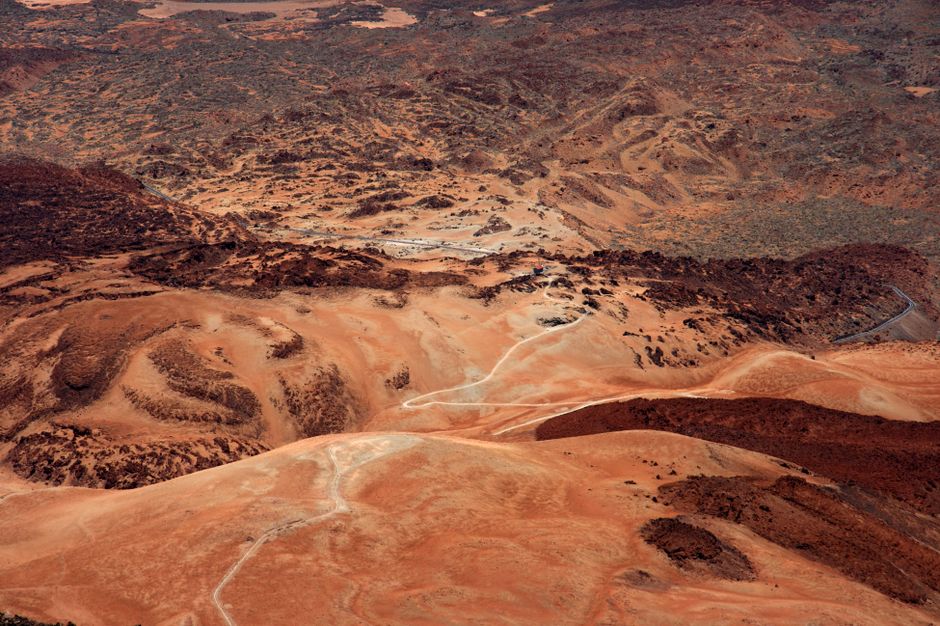
Lytton's geography makes it uniquely prone to extreme heat. Nestled where the Fraser and Thompson rivers meet, the town sits in a narrow canyon that can act like a heat trap, with hot air pooling and temperatures climbing well above what's typical elsewhere in the province. When a heat dome or ridge of high pressure settles over the region, as has happened this week, those conditions can push readings to levels rarely seen anywhere else in Canada.
Environment Canada and provincial officials have been monitoring the situation closely, given the risks that come with sustained extreme heat: heightened wildfire danger, strain on local infrastructure, and serious health risks for residents, particularly older adults, young children, and anyone without reliable access to air conditioning or cooling centres.
A national story with a Canada-wide angle
While this heat wave is centred in B.C., it's a story that resonates across the country. Extreme heat events like this one are becoming more frequent and more intense nationwide, and Lytton's back-to-back 40-plus-degree days serve as an early benchmark for just how hot Canadian summers can get. For residents outside British Columbia, it's a preview of the kind of extreme weather that more communities may increasingly need to prepare for as summer heat patterns continue to shift.
Local and provincial authorities are urging residents in affected areas to stay hydrated, avoid strenuous outdoor activity during peak afternoon heat, and check in on vulnerable neighbours. Cooling centres have been made available in several communities across the region as the heat wave continues to unfold.
As the hottest temperatures of the year so far, these readings in Lytton set a stark marker for 2026, one that will likely be referenced throughout the rest of the summer as Canadians watch to see whether any other community comes close to matching it.
Source: CBC News