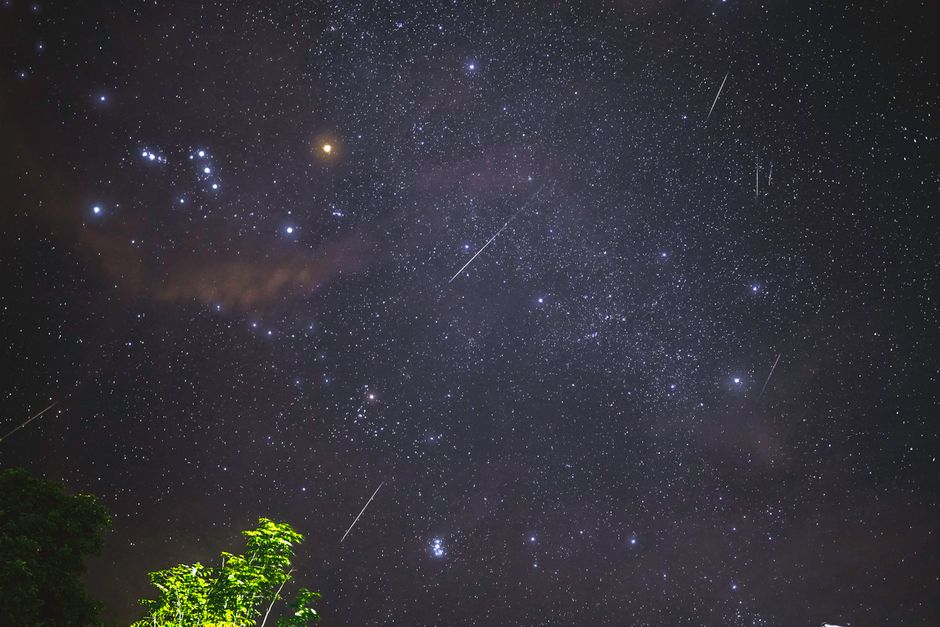
A Fireball Streaks Across Ontario's Skies
Back on June 19, a dazzling fireball lit up the night sky over parts of Canada, catching the attention of skywatchers and doorbell cameras alike. The event quickly went viral, with video clips circulating widely as people tried to figure out exactly what had blazed overhead. Now, more than a month later, scientists have confirmed what many suspected: the fireball dropped real space rock onto Canadian soil.
Western University Verifies the Find
The confirmation comes from Western University's Meteor Physics Group, one of the country's leading teams for tracking and analyzing fireball events. Using a network of cameras and atmospheric data, the group has long specialized in calculating where meteorite fragments are likely to land after a bright bolide is spotted streaking through the atmosphere.
In this case, their calculations pointed researchers toward Cockburn Island, a small, sparsely populated island in northern Lake Huron. Search efforts on the island turned up fragments that have since been formally verified by the Western team as meteorites tied directly to the June 19 event.
Why Cockburn Island?
Meteorite recoveries are notoriously difficult. Most fireballs burn up entirely before reaching the ground, and even when fragments do survive, pinpointing where they fall requires precise tracking of the fireball's trajectory, speed, and altitude at breakup. Water landings, dense forest, and remote terrain all make recovery a long shot in many cases.
Cockburn Island's characteristics, along with the trajectory data collected by Western's monitoring network, gave researchers a workable search zone. The successful recovery is a reminder of how much groundwork goes into turning a viral sky event into an actual scientific specimen sitting in a lab.
What Happens to the Meteorites Now
Once meteorites are recovered and verified, they typically become valuable research material. Scientists can study their composition to learn more about the asteroid belt material they originated from, and fragments are often preserved in university or museum collections for further analysis and public display.
For Western University's Meteor Physics Group, this recovery adds to a growing body of Canadian meteorite finds that help refine how researchers track and predict fireball debris fields across the country. Canada's vast, varied terrain, from dense forest to open water to islands like Cockburn, makes every successful recovery a bit of a win against the odds.
A Reminder to Look Up
Events like the June 19 fireball are a good reminder that Canada's skies regularly put on free shows, whether it's the northern lights, meteor showers, or the occasional dramatic bolide. For anyone who caught the original footage online and wondered what became of it, the answer is now clear: pieces of that fireball are sitting in a lab, confirmed as genuine meteorites recovered from a Lake Huron island.
Source: CBC News