Oil Crosses $100 as Middle East Tensions Boil Over
Crude oil prices have shot back above $100 US a barrel for the first time in several weeks, after Iran said it attacked 10 ships near the Strait of Hormuz. The move came in response to the United States sinking five Iranian oil tankers, marking a sharp escalation in a conflict that has already stretched on for nearly 200 days.
The Strait of Hormuz is one of the most important chokepoints in global energy trade, with roughly a fifth of the world's oil supply passing through it. Any disruption there tends to send shockwaves through global markets, and this week was no exception. The international Brent crude benchmark climbed past the $100 US mark, a level it hasn't touched since July.
Why Canadians Should Care
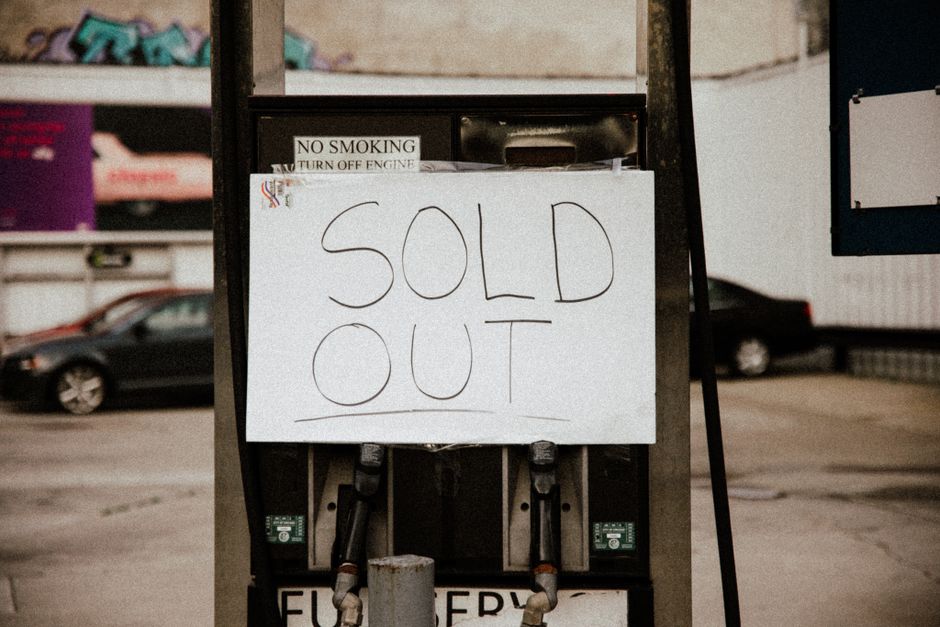
For most Canadians, a headline about tankers near Iran can feel a world away. But global oil prices have a direct line to what people pay at the gas pump, on their home heating bills, and even on groceries, since fuel costs ripple through the entire supply chain.
Canada is both a major oil producer and exporter, particularly out of Alberta, so higher global crude prices can be a mixed bag economically. Producers and energy-heavy provinces may see a short-term revenue boost, but consumers across the country, including here in Ontario, typically feel the pinch first through pump prices, which tend to move quickly in response to international benchmarks like Brent.
Economists have long warned that a sustained run above $100 US a barrel can add pressure to inflation, complicating the Bank of Canada's efforts to keep interest rates in check. Higher fuel costs also weigh on transportation and logistics, meaning the price of shipping goods, including everyday items on store shelves, can creep upward too.
A Fast-Moving Situation
The attacks near the Strait of Hormuz represent one of the more serious escalations in the ongoing standoff between Iran and the U.S., and markets are watching closely for signs of whether the conflict will widen further or whether diplomatic efforts might cool tensions. Given how quickly oil prices have reacted this week, further military action in the region could push prices even higher, while any sign of de-escalation could bring them back down just as fast.
For now, Canadians filling up their tanks or paying their next heating bill may want to keep an eye on the news out of the Middle East. What happens thousands of kilometres away at a narrow strip of water is once again shaping up to hit close to home.
Source: CBC News