A National Push for Answers
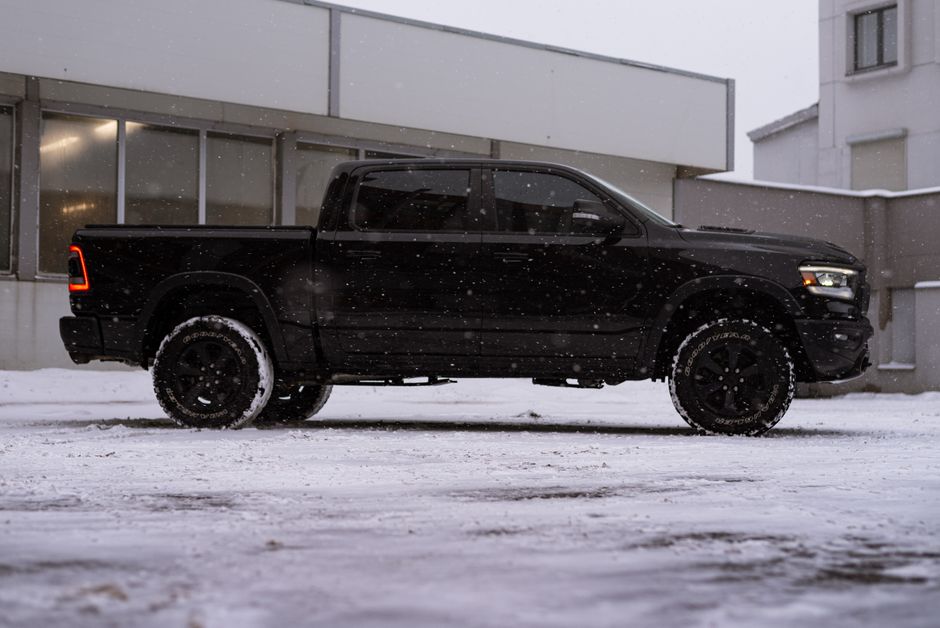
A coalition of road safety advocates from across Canada is calling on Nova Scotia's medical examiner to take a closer look at the role oversized pickup trucks and SUVs play in fatal pedestrian collisions. The group argues that as these vehicles have grown larger, heavier, and taller over the past two decades, the risk they pose to people on foot has climbed right along with them, and it's time an official body examined the data.
The request centers on a familiar but increasingly urgent concern in traffic safety circles: vehicle design. Larger front ends and higher hoods on modern trucks and SUVs mean drivers often have reduced visibility of pedestrians directly in front of their vehicle, particularly children and shorter adults. When a collision does happen, the impact tends to strike higher on the body, closer to the chest or head rather than the legs, which safety researchers say correlates with far more severe and often fatal outcomes compared to collisions involving smaller passenger cars.
Why Nova Scotia, and Why a Medical Examiner
Medical examiners play a unique role in road safety research because they can trace the physical mechanics of how a fatal collision unfolded, not just the traffic circumstances, but the actual cause of death and the vehicle characteristics involved. By formally reviewing pedestrian fatality cases with an eye toward vehicle size and type, Nova Scotia's medical examiner could produce evidence-based findings that inform not just provincial policy, but discussions happening in legislatures and safety agencies right across the country.
The coalition's request reflects a broader pattern playing out in cities and provinces nationwide: pedestrian deaths have not been declining at the same pace as overall traffic fatalities, even as vehicles are equipped with more advanced safety technology. Advocates point to the shifting composition of the vehicle fleet, with trucks and SUVs now making up a majority of new vehicle sales in Canada, as a likely contributing factor.
A Conversation With National Reach
While the immediate ask is directed at Nova Scotia, the implications stretch well beyond the province. Vehicle size and design standards fall largely under federal jurisdiction in Canada, meaning findings from a provincial review could feed into a much larger national conversation about safety regulations, urban street design, and how cities plan for pedestrians navigating streets increasingly shared with bigger vehicles.
For municipalities across the country, including here in Ottawa, where debates over street safety, traffic calming, and vehicle-related pedestrian incidents have been ongoing, the outcome of this kind of review could carry weight. Local road safety advocates often point to national data and precedent-setting studies when pushing for changes like lower speed limits, protected intersections, or updated vehicle regulations in their own communities.
The coalition has not indicated whether Nova Scotia's medical examiner has agreed to take up the review. For now, the request stands as part of a growing chorus of voices asking Canadian authorities to treat vehicle size as a genuine road safety issue rather than simply a consumer preference.
Source: Global News Canada