A Long-Awaited Shipment
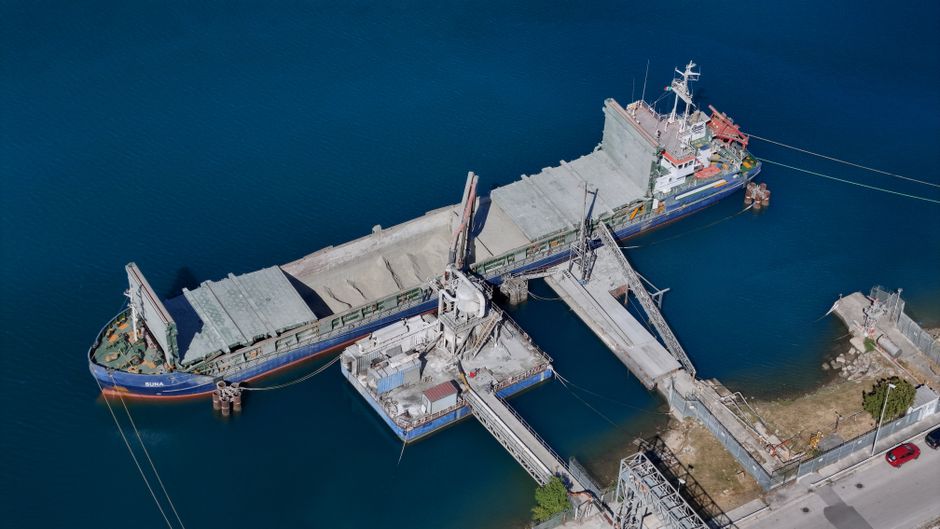
A ship is set to leave the Port of Churchill this week loaded with grain, the northern Manitoba town's first such shipment in more than six years. For a port that has struggled with underuse and uncertainty over the past decade, the departure marks a rare bit of good news.
Churchill, perched on the shore of Hudson Bay, is Canada's only deep-water Arctic port connected to the national rail network. It has long been pitched as a shorter shipping route for Prairie grain heading to Europe and beyond, cutting out the longer haul through Thunder Bay or Vancouver. But the port has seen its fortunes rise and fall over the years, hit by ownership changes, rail line washouts, and shrinking traffic.
Why It Matters
Grain shipments through Churchill dried up years ago as the port's operators dealt with financial troubles and infrastructure problems, including a major flood that knocked out the Hudson Bay Railway connecting the port to the rest of the country for over a year. Since then, Indigenous-led ownership through the Arctic Gateway Group has taken over both the port and the railway, with a mandate to rebuild the region's shipping capacity and bring economic opportunity back to the North.
This week's grain shipment is being treated as proof that the port can once again handle serious cargo volumes. It follows years of investment in upgrading the rail line and port facilities, work aimed at making Churchill a reliable option again for grain producers and exporters looking for alternatives to Canada's more congested southern routes.
A Northern Economic Boost
For the town of Churchill itself, better known to most Canadians as a polar bear tourism hub, a revived shipping season means jobs and steadier economic activity beyond the short tourist window each fall. Local and Indigenous leaders have pushed for years to see the port used to its full potential, arguing that a functioning Arctic gateway benefits not just Churchill but Prairie farmers looking for new export routes as global trade patterns shift.
The renewed grain traffic also comes as Canada looks to diversify its trade routes amid ongoing uncertainty in cross-border trade with the United States. A working northern port gives exporters another option that doesn't rely on the busiest, most congested corridors farther south.
What Comes Next
It is not yet clear how many additional shipments will follow this one in the current season, but officials tied to the port's operation have signalled hope that this is the start of a more consistent shipping schedule rather than a one-off event. For a community that has weathered years of setbacks tied to its rail and shipping infrastructure, even a single ship loaded with grain represents real momentum.
Source: CBC News