Nine Provinces In, One Holdout
Canada is finally chipping away at one of its most stubborn internal trade barriers: booze. Nine provinces have agreed to a new direct-to-consumer alcohol sales deal that will let wineries, distilleries, and breweries ship their products straight to customers in other provinces, cutting out the tangle of provincial liquor boards that has long made cross-country alcohol shopping a headache. Quebec, notably, has not signed on.
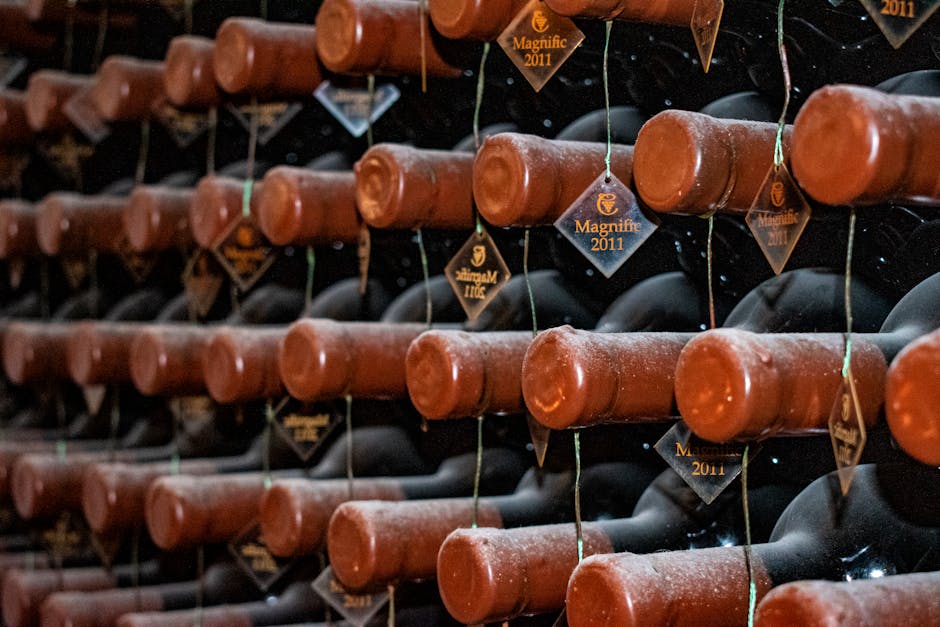
For decades, buying a bottle of wine from a small B.C. vineyard or a craft whisky from a Nova Scotia distillery meant either driving across a provincial border with your trunk full or navigating a patchwork of import rules, markups, and paperwork that made it barely worth the trouble. This agreement is meant to change that, allowing producers to sell and ship directly to consumers in participating provinces without going through each province's liquor monopoly.
Why Quebec Is Staying Out
Quebec's absence comes down to its liquor distribution system. The province runs alcohol sales through the Société des alcools du Québec (SAQ), a crown corporation that has long guarded its role as gatekeeper for alcohol imports and sales within the province. Direct-to-consumer sales from out-of-province producers would bypass the SAQ entirely, cutting into the markups and control that fund the corporation and, by extension, provincial revenue.
Quebec has also historically been more protective of its provincial jurisdiction over trade matters generally, often taking a go-slow approach on interprovincial agreements that other provinces adopt more quickly. Officials have not ruled out eventually joining, but for now the province appears to be watching how the new system plays out elsewhere before committing.
What This Means for Ontario Shoppers
For Ontarians, including Ottawa residents just a short drive from the Quebec border, the deal opens up a wider world of Canadian alcohol without leaving home. Once the system is fully up and running, it should be possible to order directly from a small producer in Alberta, Nova Scotia, or Manitoba and have it shipped to your door, something that previously ran into a wall of provincial regulation.
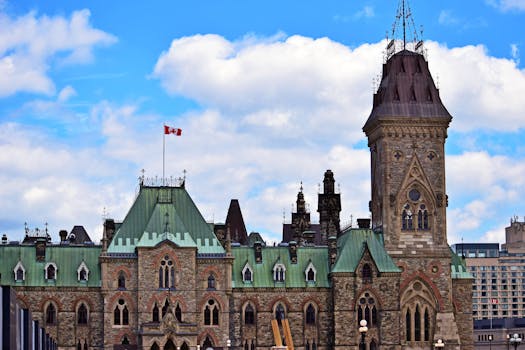
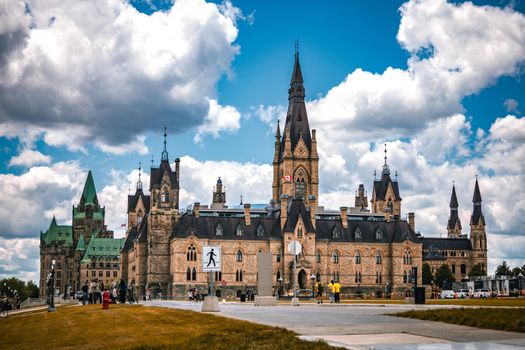
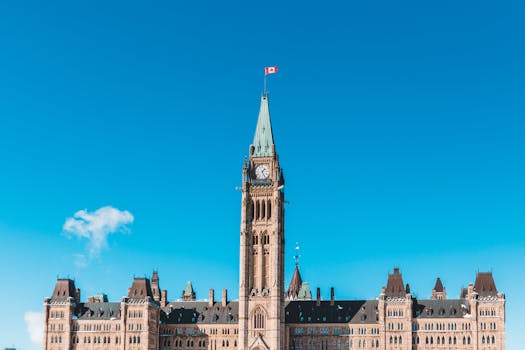
Ottawa's proximity to Quebec makes the province's holdout especially noticeable locally. Residents on the Ontario side of the river will be able to order directly from producers as far away as the West Coast, while producers just across the Ottawa River in Gatineau and the rest of Quebec remain shut out of the new system for now, at least until the province decides whether to join.
The broader goal of the agreement is to knock down Canada's long-criticized internal trade barriers, which economists have argued cost the country billions in lost economic activity every year. Alcohol has been one of the more visible examples, given how differently each province treats the same bottle of wine or can of beer crossing its border.
Whether Quebec eventually joins may depend on how much revenue and market share the SAQ sees shift as the other nine provinces' systems come online in the months ahead.
Source: CBC News