Two bridges, one hockey legend
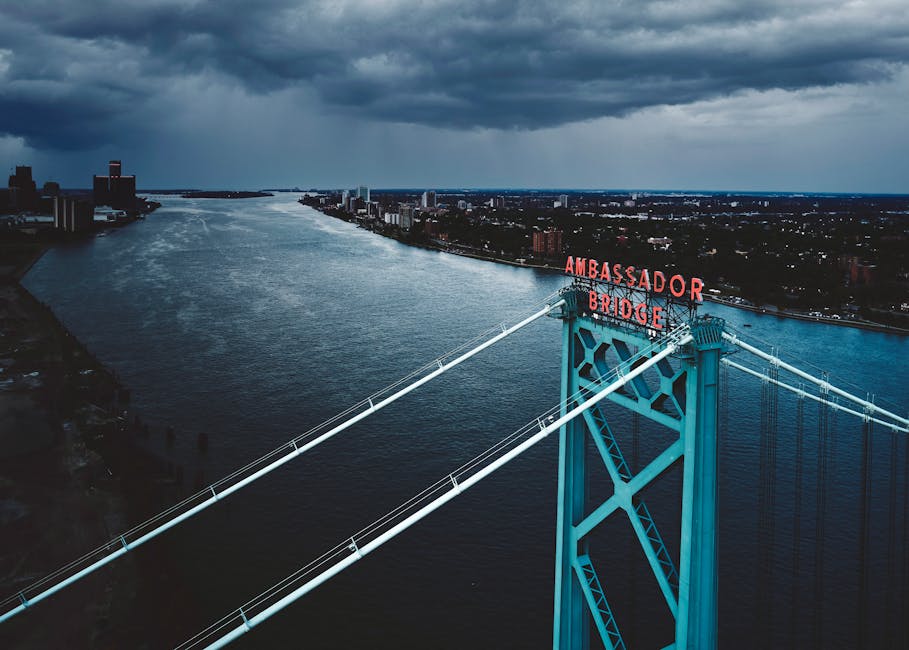
If you've been following the news lately, you've probably heard about the Gordie Howe International Bridge, the massive new crossing linking Windsor, Ontario with Detroit, Michigan. It's one of the largest infrastructure projects in North America and a huge deal for cross-border trade between Canada and the U.S.
But here's something a lot of people don't realize: it's not the only Gordie Howe Bridge in the country. Saskatoon has had one for more than ten years, and residents there are pretty used to the name by now.
Saskatoon got there first
While the Windsor-Detroit crossing has been in the works for years and only recently opened to fanfare, Saskatoon quietly built its own tribute to the hockey icon over a decade ago. Gordie Howe, nicknamed "Mr. Hockey," grew up in Saskatchewan, so the honour makes plenty of sense on that side of the country too. He's a name deeply tied to the province long before the Ontario crossing existed.
For Saskatoon locals, the recent wave of national coverage about "the" Gordie Howe Bridge has led to some good-natured confusion, with plenty of people online pointing out that their city's bridge has been standing, and carrying traffic, since long before Windsor's version broke ground.
Why the Windsor bridge matters for Ontario
The Windsor-Detroit crossing isn't just a nice tribute. It's a critical piece of infrastructure for Ontario's economy. Windsor sits at the heart of one of the busiest trade corridors between Canada and the United States, and the new bridge is designed to ease congestion and support the flow of goods between the two countries for decades to come. For a province where auto manufacturing and cross-border commerce are major economic drivers, a modern, high-capacity crossing has been a long time coming.
A fitting double honour
It turns out having two Gordie Howe Bridges in Canada is a nice reflection of just how far his legacy reaches, from the Prairies where he was born and raised, to Ontario's busiest international trade gateway. Two very different structures, one shared namesake, and a reminder that hockey legends have a way of leaving their mark on the map long after they've left the ice.
Source: CBC News