A Dwindling Population Faces a New Threat
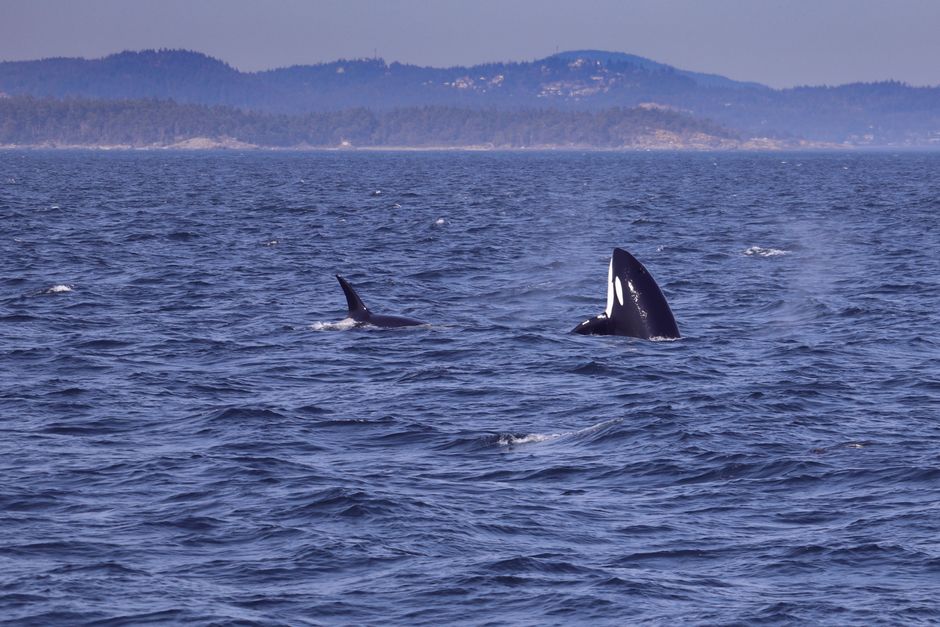
Only 75 southern resident killer whales remain in the wild, and environmental groups say a proposed Alberta oil pipeline route could push the endangered population even closer to the edge. The whales, which frequent the waters off British Columbia's coast, are already struggling with vessel noise, dwindling salmon stocks, and pollution, and conservationists warn that increased tanker traffic tied to a new pipeline would compound those pressures.
What's Changing in Ottawa
The whales are currently protected under the federal Species At Risk Act, which includes a "jeopardy test" meant to block projects that would put an endangered species' survival at risk. But the Carney government in Ottawa is reportedly considering changes that would give federal cabinet the power to exempt certain major projects, including pipelines, from that test. Supporters of the change frame it as a way to speed up approvals for nation-building energy infrastructure. Critics, including several environmental groups, say it would gut a key safeguard for one of Canada's most vulnerable marine species.
Why Experts Are Sounding the Alarm
Scientists who study the southern resident population describe the potential impact as "devastating." The whales rely heavily on Chinook salmon, and increased ship traffic from pipeline-linked tanker routes would add underwater noise that interferes with their ability to hunt and communicate. With a population this small, down from an estimated 200 individuals decades ago, researchers say there's little room for additional strain before the group's long-term survival becomes genuinely uncertain.
The Ottawa Angle
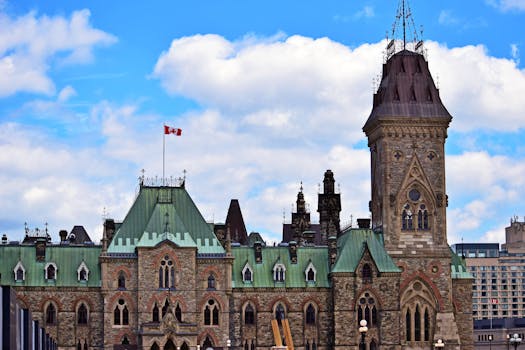
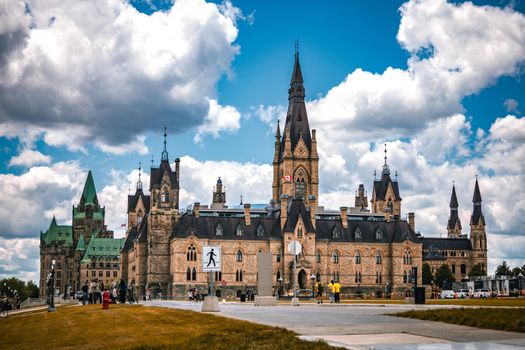
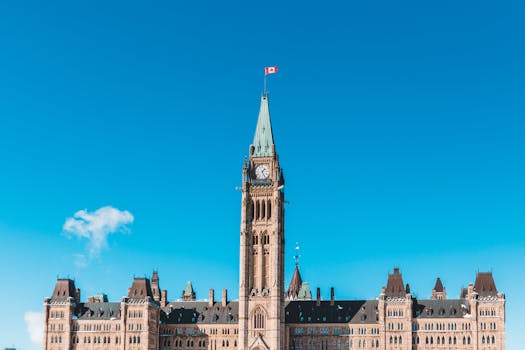
While the whales themselves live thousands of kilometres from the capital, the decision on whether to weaken species-at-risk protections will be made in Ottawa, where cabinet ministers are weighing the trade-offs between energy project approvals and environmental commitments. Federal environment officials and MPs on Parliament Hill are expected to face pressure from both industry groups pushing for faster pipeline approvals and conservation organizations demanding the jeopardy test stay intact. However this debate resolves, it's a reminder that decisions made in federal offices in Ottawa carry consequences that ripple all the way to the Pacific coast.
What Happens Next
No final decision has been announced on the proposed changes to the Species At Risk Act exemptions. Environmental groups say they plan to keep pushing back as the Alberta pipeline proposal moves through review, arguing that any weakening of species protections should be off the table given how precarious the southern resident killer whale population already is.
Source: CBC Politics