From critic to decision-maker
Stephen Fuhr knows what it feels like to be the guy everyone in the room disagrees with. A former Royal Canadian Air Force fighter pilot, Fuhr retired from the Armed Forces in 2009 and became one of the loudest voices questioning Canada's plan to buy American-made F-35 fighter jets. That stance did not go over well inside the military community, where the F-35 was treated by many as a foregone conclusion and Fuhr's skepticism drew mockery from former colleagues and defence insiders.
More than a decade and a half later, Fuhr is the one steering the ship. He now holds responsibility for Canada's defence procurement, the sprawling and famously slow-moving system that decides which jets, ships, vehicles and equipment the Canadian Armed Forces actually get to use.
Why this matters beyond the irony
Defence procurement in Canada has a reputation for delay, cost overruns and political second-guessing, and the F-35 file itself is a perfect example. The program has been debated, paused, reopened and renegotiated across multiple governments, with Canada eventually committing to the jets after years of back and forth. Putting someone with Fuhr's specific history in charge of the file is a notable signal. He is not an outsider parachuted into defence policy. He is a pilot who flew fighter jets, left the service, and spent years arguing publicly that the F-35 decision deserved more scrutiny than it was getting.
Supporters of the move see it as a chance to bring a more critical, cost-conscious eye to a procurement system that badly needs one. Critics who remember the mockery he faced will be watching closely to see whether his past objections shape how he handles the file now that he is on the inside.
The Ottawa connection
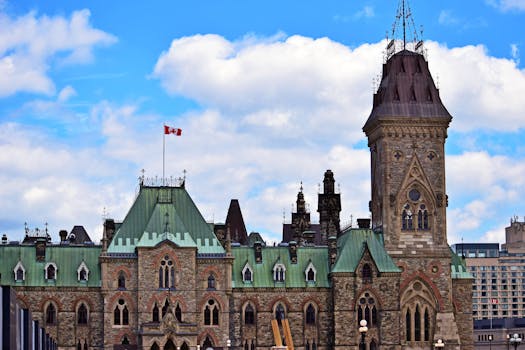
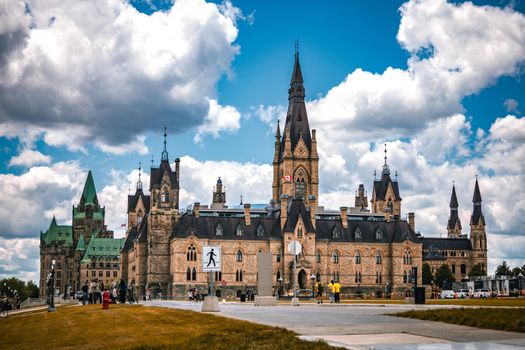
Whatever direction Fuhr takes, the decisions will be made and defended in Ottawa. The Department of National Defence is headquartered in the city, and major procurement announcements, briefings and political sparring over military spending routinely play out on Parliament Hill and in the halls of DND headquarters. For a city whose economy and civic identity are closely tied to the federal government, a shakeup atop one of Ottawa's biggest employers is always worth watching, even when the story is really about national defence policy rather than anything happening on the ground locally.
What comes next
Fuhr inherits a procurement system with plenty of unfinished business beyond the F-35s, including naval shipbuilding programs and other big-ticket equipment files that have dragged on for years. How he applies the lessons from his own outsider critique to a job that now makes him the insider will be one of the more interesting subplots in Canadian defence policy in the months ahead.
Source: CBC News