A Shipping Chokepoint With Global Ripple Effects
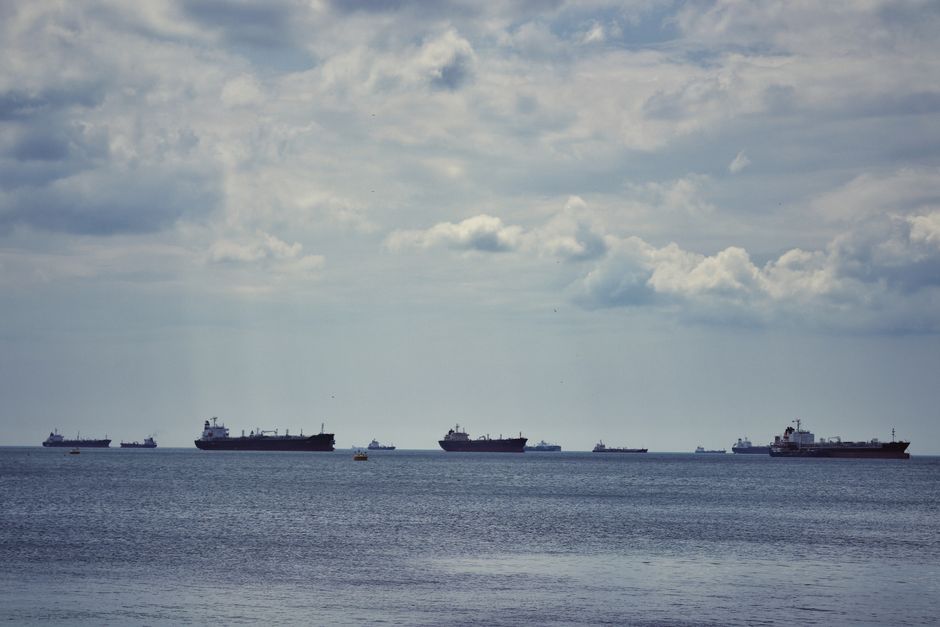
The Strait of Hormuz, one of the world's busiest maritime chokepoints, has been effectively blocked in recent weeks, leaving hundreds of commercial ships stalled in Gulf waters. While the immediate story has been about oil markets and geopolitical tension, a new paper published last week points to a very different consequence: an "immense" threat from invasive species hitching a ride on the hulls of those stranded vessels.
What Is Biofouling, and Why Does It Matter?
Experts behind the paper explain that when ships sit idle for extended periods, marine organisms, barnacles, mussels, algae, and other hitchhiking species, begin to colonize their hulls in a process called biofouling. Normally, ships in regular transit move too fast and too often for this buildup to become severe. But with vessels stuck for weeks or months in the Gulf, that biofouling can accumulate dramatically, turning ordinary cargo ships into floating incubators for marine life that doesn't belong anywhere near their eventual destinations.
Researchers describe this as a "worst-case scenario" precisely because of the scale involved. It isn't one ship with a fouled hull. It's potentially hundreds of them, all queued up at once, all facing the same prolonged exposure. When shipping lanes eventually reopen and these vessels disperse to ports around the world, they could carry entire ecosystems of invasive organisms with them.
Why Canadians Should Be Paying Attention
Canada has a long and costly history with invasive species arriving via international shipping. Zebra mussels, which have wreaked havoc on the Great Lakes since the late 1980s, are a textbook example of how a single introduced species, believed to have arrived in ballast water from transatlantic cargo ships, can permanently reshape a domestic ecosystem, clog water infrastructure, and cost governments and industries billions of dollars in damage and mitigation over the decades since.
Canada's ports, including major hubs on the Pacific, Atlantic, and Great Lakes-St. Lawrence Seaway, regularly receive vessels that pass through or originate near high-traffic global chokepoints like the Strait of Hormuz. Transport Canada already requires ballast water management and hull-cleaning protocols aimed at limiting the spread of aquatic invasive species, but researchers note that current international rules were not designed with a mass biofouling event of this scale in mind.
What Happens Next
The paper's authors are calling for heightened inspection and cleaning protocols for any vessel that has spent extended time idle in the Gulf before it's allowed to proceed to its next port of call. For a country like Canada, with extensive coastlines and freshwater systems already strained by past invasive species incidents, the message is a reminder that geopolitical disruptions on the other side of the world can eventually wash up much closer to home.
For now, the situation in the Strait of Hormuz remains unresolved, and the ships remain where they are, a floating question mark for marine ecosystems far beyond the Gulf.
Source: CBC News