A Reality Check on Pipeline Promises
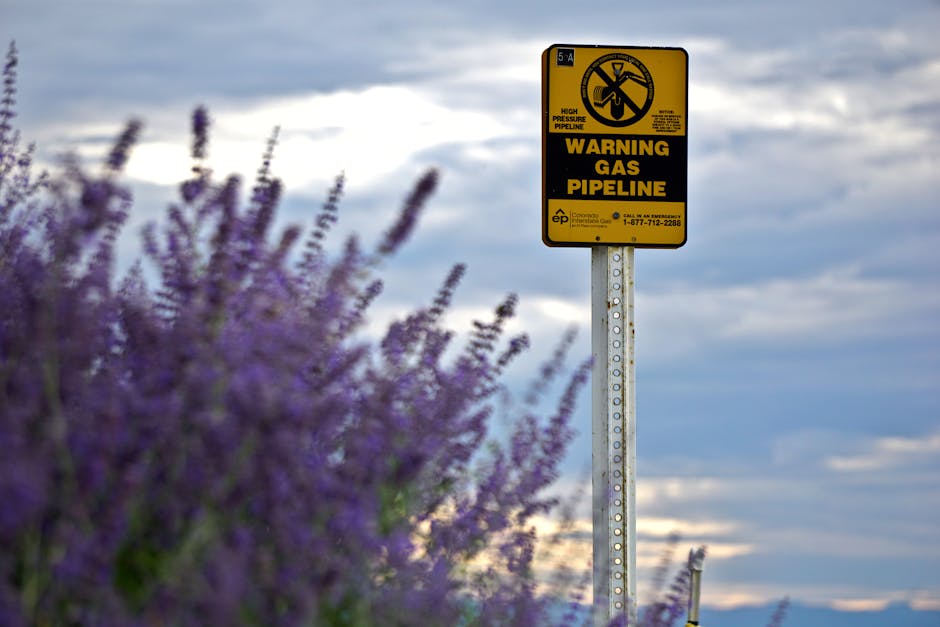
A new report from TD Economics is throwing some cold water on the rosy economic projections tied to a proposed oil pipeline running from Alberta to Canada's West Coast. While the analysis confirms that such a pipeline would indeed lift Canada's gross domestic product, and Alberta's along with it, the boost likely won't be as dramatic as provincial and federal governments have been forecasting.
What TD Economics Found
According to the report, a new pipeline connecting Alberta's oil sands to Pacific tidewater would create meaningful economic gains by opening up new export markets beyond the United States, Canada's dominant, and increasingly unpredictable, trading partner. More access to Asian markets in particular has long been the pitch behind West Coast pipeline proposals, with proponents arguing that diversifying where Canadian oil gets sold reduces the country's reliance on a single buyer and can command better prices.
But TD's economists caution that the actual GDP lift would land below the more optimistic figures being floated by government officials. The report doesn't dispute that a pipeline would help. It just suggests the math being used to sell the project to taxpayers may be too generous.
Why This Debate Matters
Pipeline economics have been a persistent flashpoint in Canadian politics for over a decade, with the conversation swinging between energy-sector job creation, environmental concerns, and Indigenous consultation requirements. A more tempered GDP forecast doesn't kill the case for new pipeline infrastructure, but it does complicate the argument for governments eager to frame these projects as economic slam-dunks.
For federal and Alberta officials who have leaned heavily on big-number projections to build public and investor support, a more conservative independent estimate from a major bank's economics division carries weight. TD's analysis doesn't wade into the environmental or regulatory debates. Its focus is squarely on what a pipeline would actually mean for output and growth, filtered through more grounded assumptions about trade volumes, construction timelines, and market conditions.
What Comes Next
Expect this report to become part of the ongoing back-and-forth as pipeline proposals continue working their way through federal and provincial approval processes. Any West Coast pipeline expansion would still need to clear significant regulatory, environmental, and Indigenous rights hurdles before a shovel goes into the ground, meaning the GDP conversation, however it's ultimately resolved, is really just one piece of a much longer and more complicated puzzle.
As national infrastructure debates like this one continue, they carry indirect implications for the federal government here in Ottawa, where policy decisions on energy corridors and interprovincial trade ultimately get finalized.
Source: CBC News