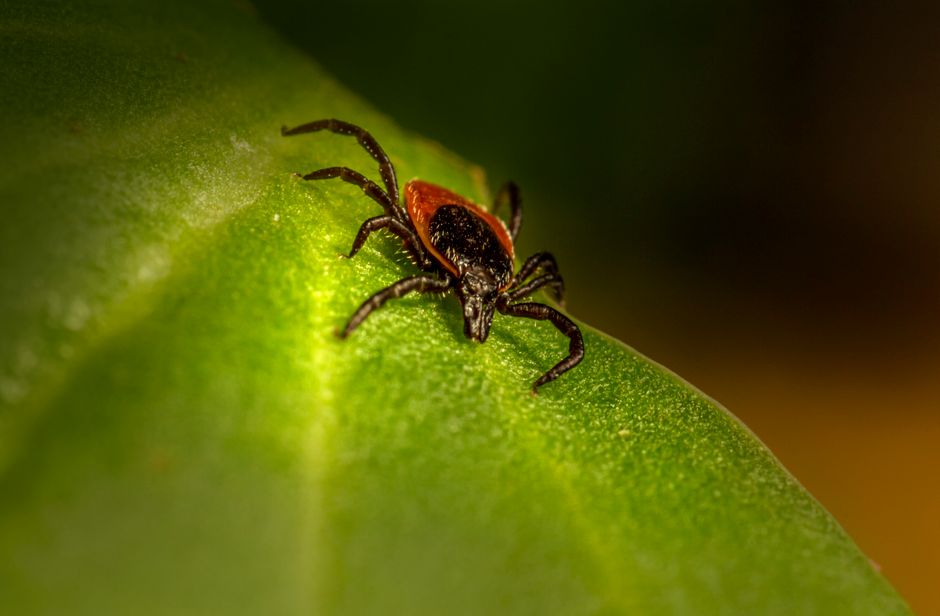
A Growing Public Health Concern
Nova Scotia is seeing a sharp rise in cases of anaplasmosis, a bacterial infection spread by blacklegged ticks, according to new provincial health data. When the illness was first added to Nova Scotia's list of notifiable diseases in 2023, officials logged 317 cases that year. Last year, that number climbed to 681, more than double in just two years.
The trend mirrors a broader pattern playing out across much of Canada, where milder winters and longer warm seasons have allowed tick populations to expand their range and survive in areas that were once too cold for them. Nova Scotia has become something of a bellwether for this shift, given its dense tick populations and robust surveillance systems.
What Is Anaplasmosis?
Anaplasmosis is caused by the bacterium Anaplasma phagocytophilum, transmitted through the bite of an infected blacklegged tick, the same species responsible for spreading Lyme disease. Symptoms typically appear within one to two weeks of a bite and can include fever, chills, headache, muscle aches, and fatigue. In more severe cases, the infection can lead to organ failure if left untreated, though it generally responds well to antibiotics when caught early.
Unlike Lyme disease, which has been on public health radar in Canada for years, anaplasmosis is a newer concern for many provinces. Its rapid rise in reported cases has prompted health authorities to ramp up testing and awareness campaigns, particularly in regions where tick populations are well established.
Why This Matters Beyond Nova Scotia
While the numbers cited come specifically from Nova Scotia, the underlying drivers, climate change, expanding tick habitats, and increased outdoor activity, are relevant to communities across the country, including here in Ontario. Public health units in Ontario have similarly flagged rising tick activity in recent years, with blacklegged ticks now established in numerous regions of the province, including areas around Ottawa and the Ottawa Valley.
Health officials nationwide are encouraging Canadians to take basic precautions when spending time outdoors in grassy or wooded areas: wearing long sleeves and pants, using insect repellent containing DEET or icaridin, sticking to cleared trails, and doing thorough tick checks after being outside. Anyone who develops a fever or flu-like symptoms after a tick bite is advised to seek medical attention promptly, since early antibiotic treatment is highly effective against tick-borne bacterial infections.
The Bigger Picture
Nova Scotia's numbers offer a stark illustration of how quickly tick-borne illnesses can escalate once conditions become favourable. As ticks continue to expand their range across the country, provinces are being urged to strengthen surveillance and reporting so trends like this one can be caught and communicated to the public early.
Source: CBC News